Thirteen visits and a verdict
How it works
Before
A video, a podcast or a chapter. What actually helped was short videos right before.
At the museum
Four to six pictures and two to walk between. 30 seconds in silence, 3 minutes with ten things you see, 10 minutes with questions.
Afterwards
Describe the pictures from memory and record a voice note. The note changes the next visit.
The whole method → The story behind it and the visits so far →
The year
October–January
What does the picture show?
First where you already stop. The eye practises on what can be pointed at: a face, a light source, a landscape, a detail.
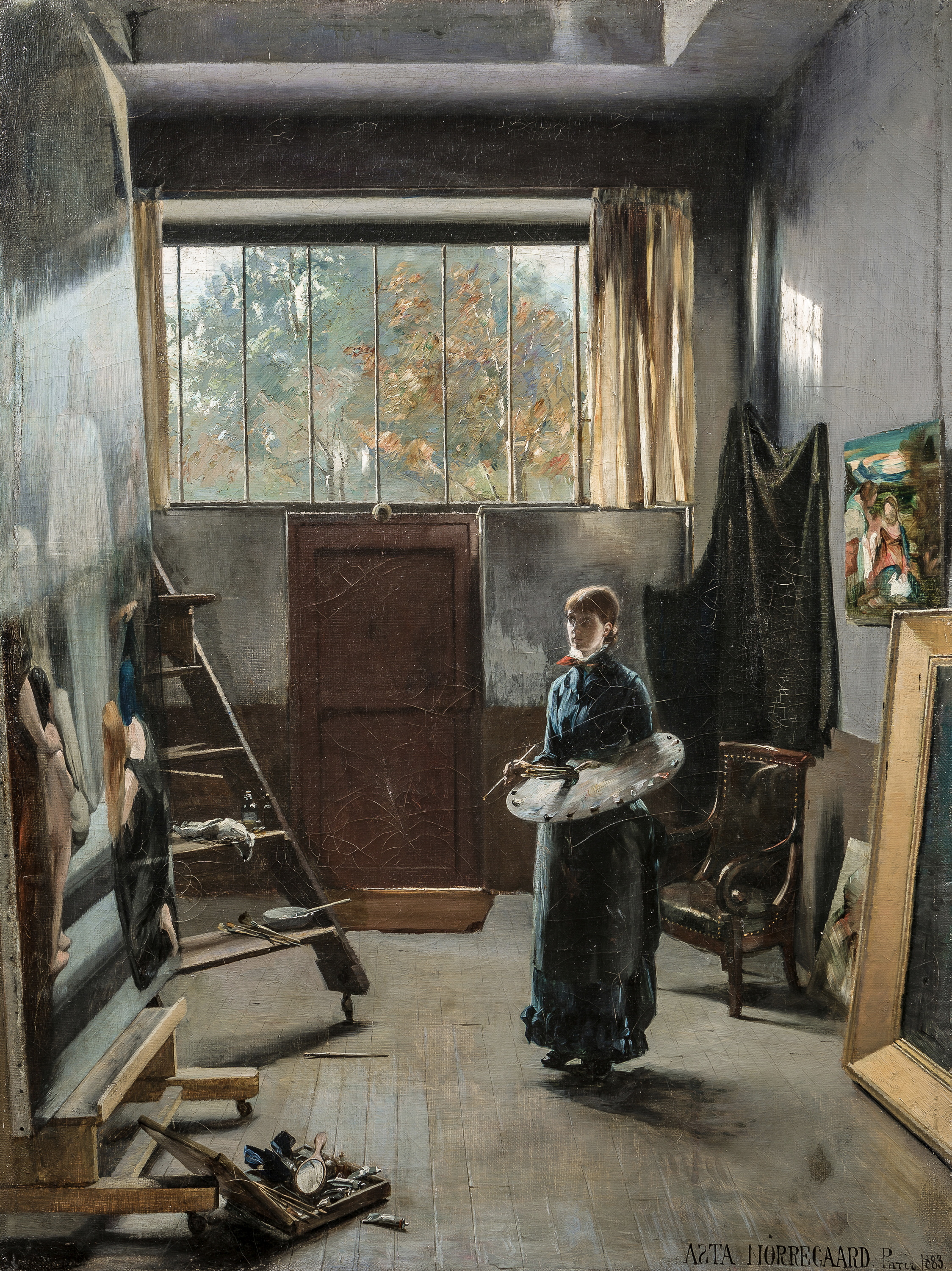 October DoneSecond lookAsta NørregaardThe same pictures for the third time. What do you see now that you did not see last time?
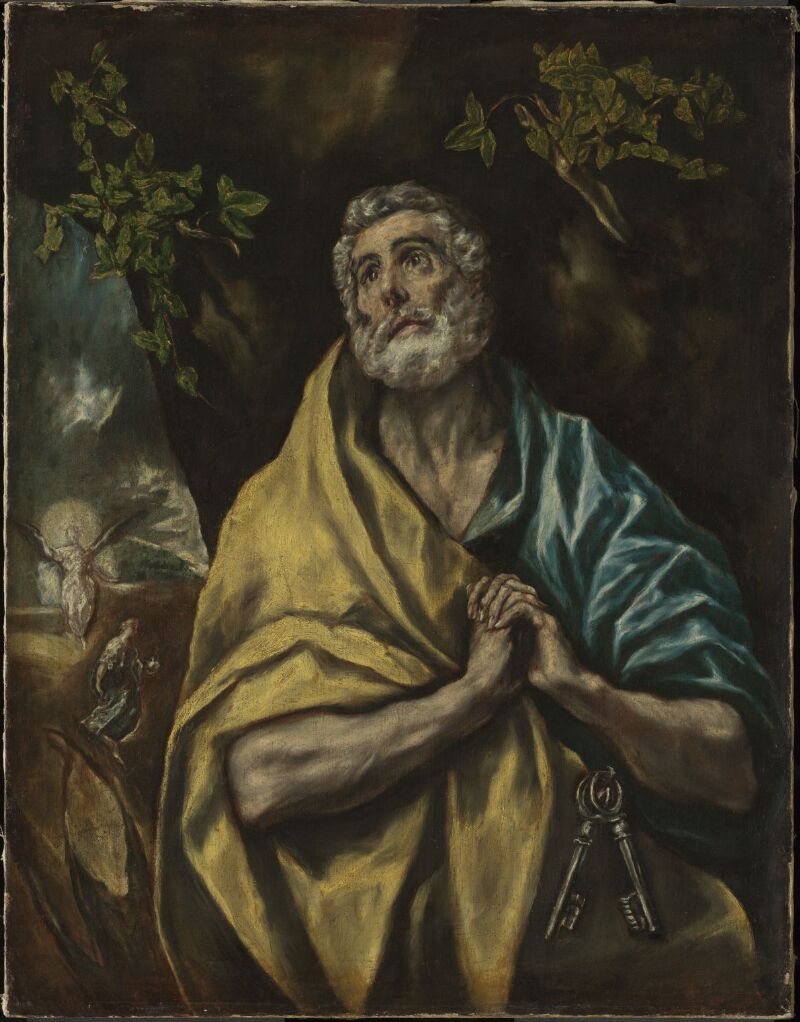 November DoneLight and faithCatholic and ProtestantBaburen's temple, El Greco's Peter and a whitewashed church. The picture as argument.
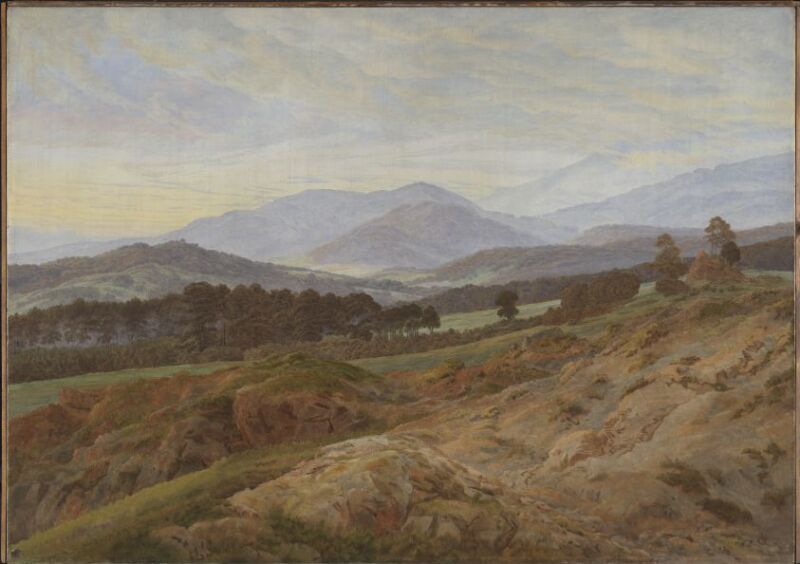 December LandscapeDresden and the mountainFriedrich empties a landscape into a thought, Dahl fills one into a nation.
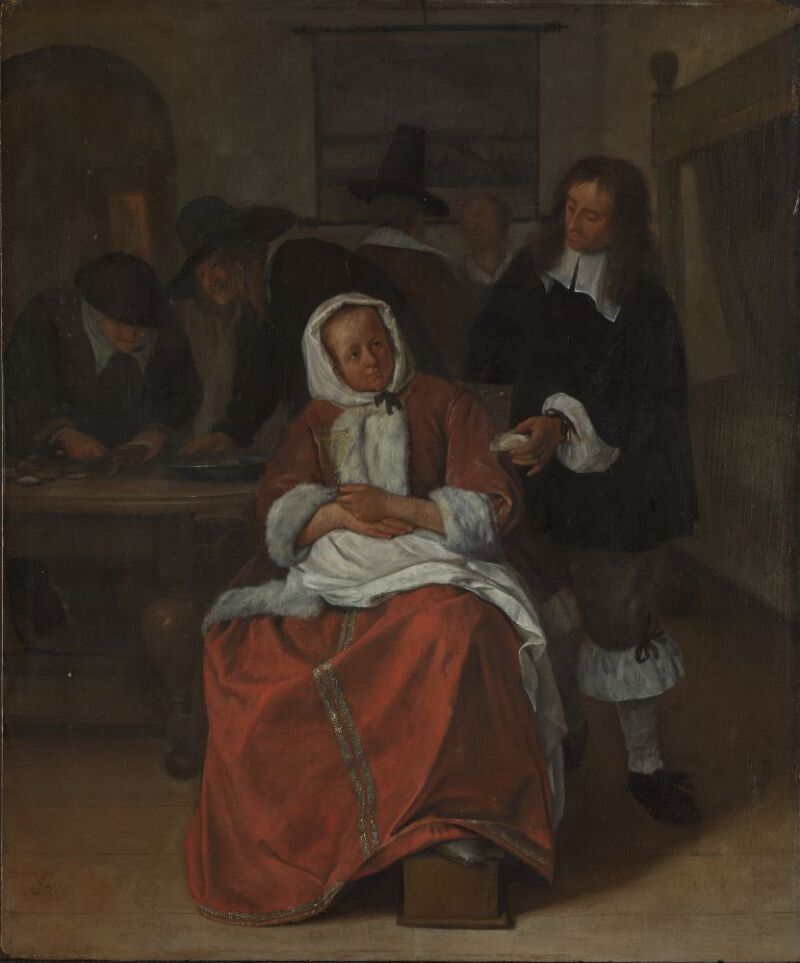 January DetailDutch detailPainted to be seen from twenty centimetres. Avercamp's skating town against Cranach's golden age.
January–March
Who painted, and for whom?
Then the people around the picture: the women who got to paint, the friends in Paris, the nation that needed a picture of itself.
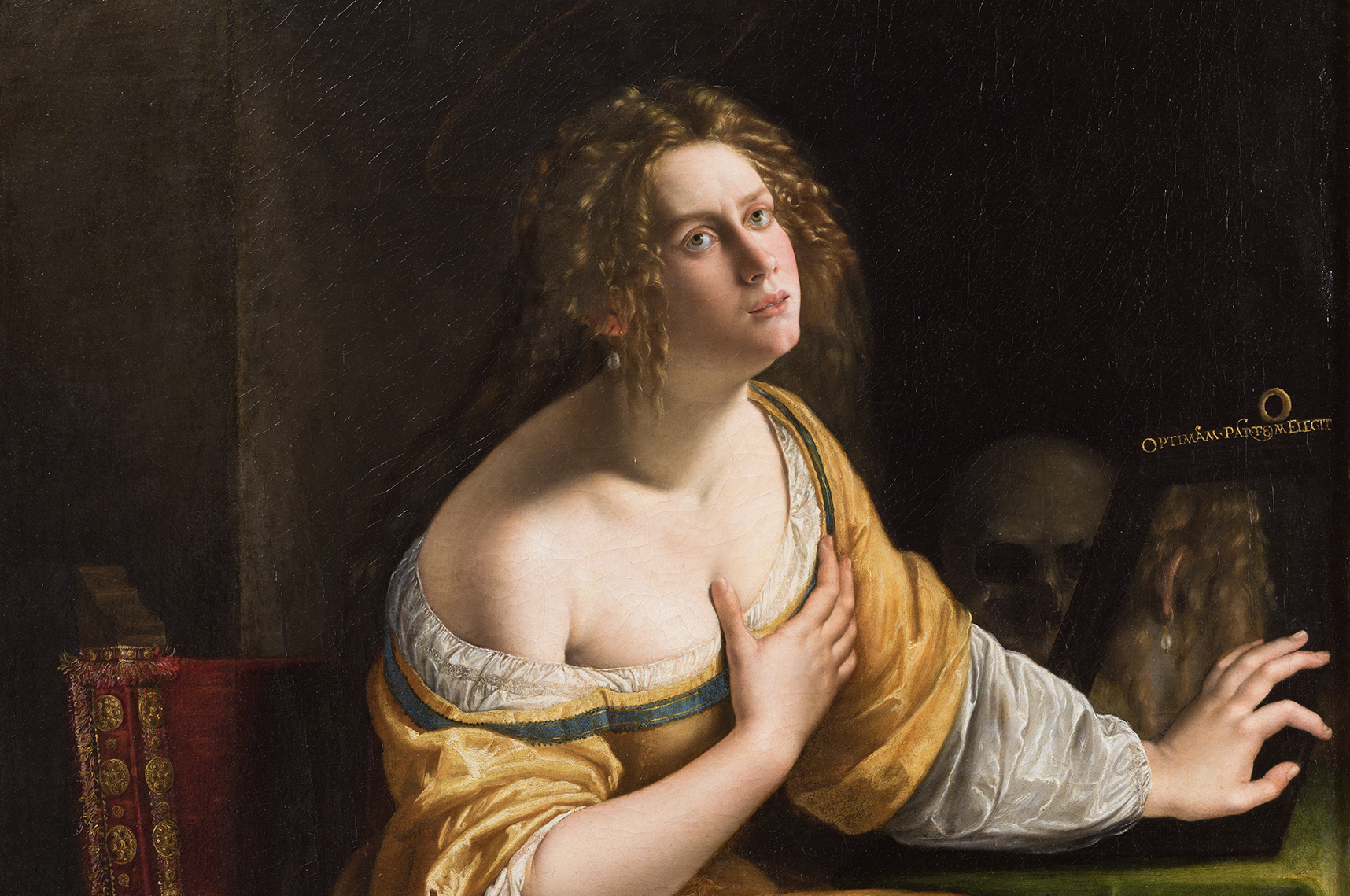 Before 7 February HalfwayWho got to paintMaler(inne), the exhibitionCourts and convents in the south, workshops and guilds in the north. Once more, after reading about the trial.
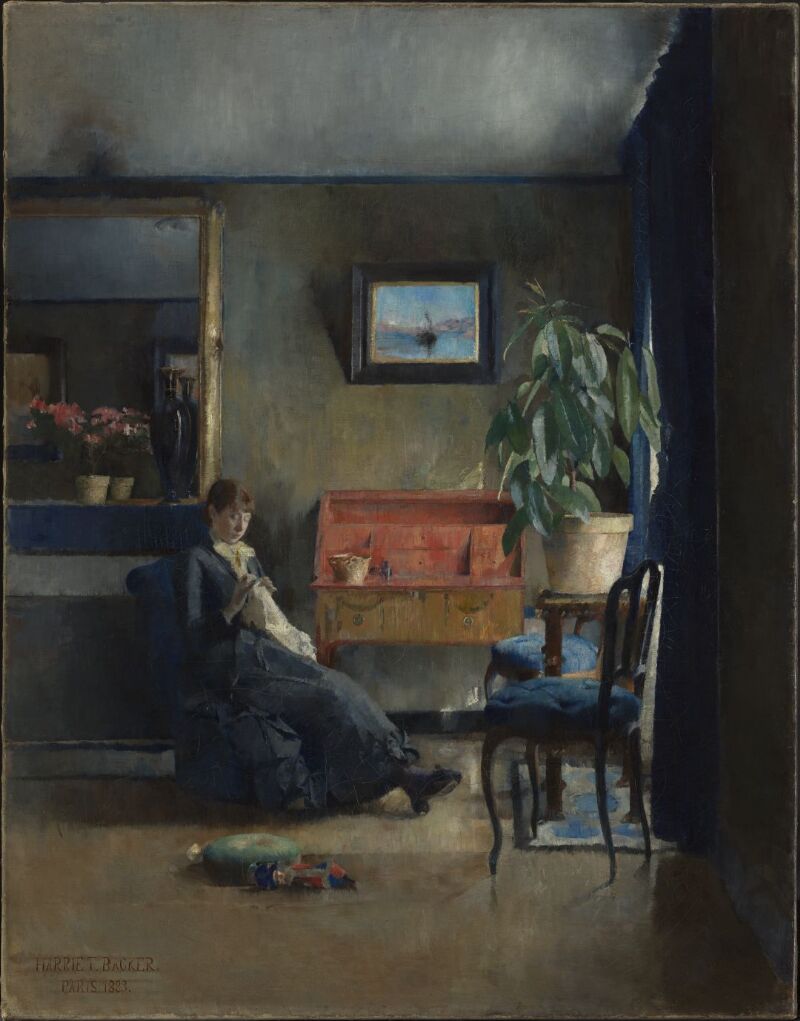 February The circleBacker, Nørregaard and ParisThe room is not blue in itself. Backer's blue against Hammershøi's grey, and the friends who painted each other.
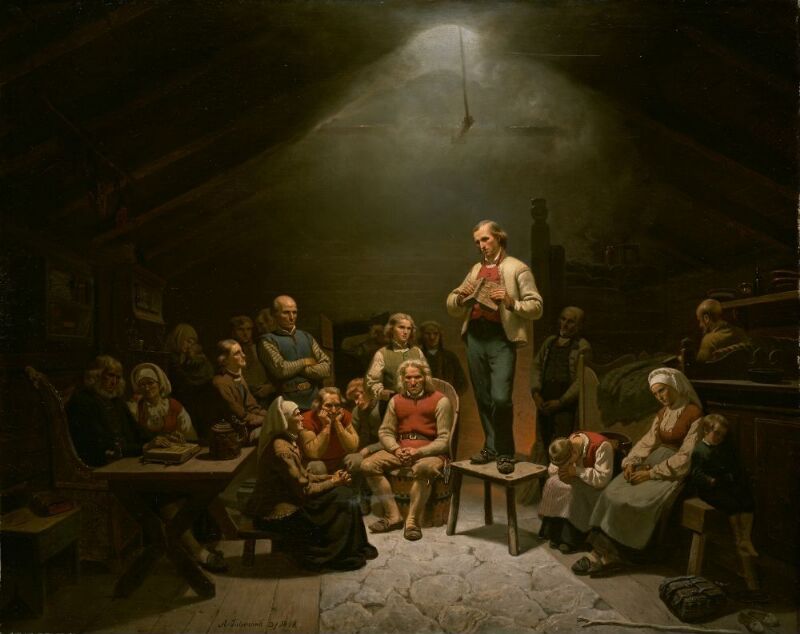 March ClaimPainting the nationTidemand's Haugians against Peterssen's Christian II. Which painter believed his own picture?
April–June
What does the paint do?
The turning point. The picture stops being a window and becomes a surface. The method is practised by now, and it is tried on what you say you do not see.
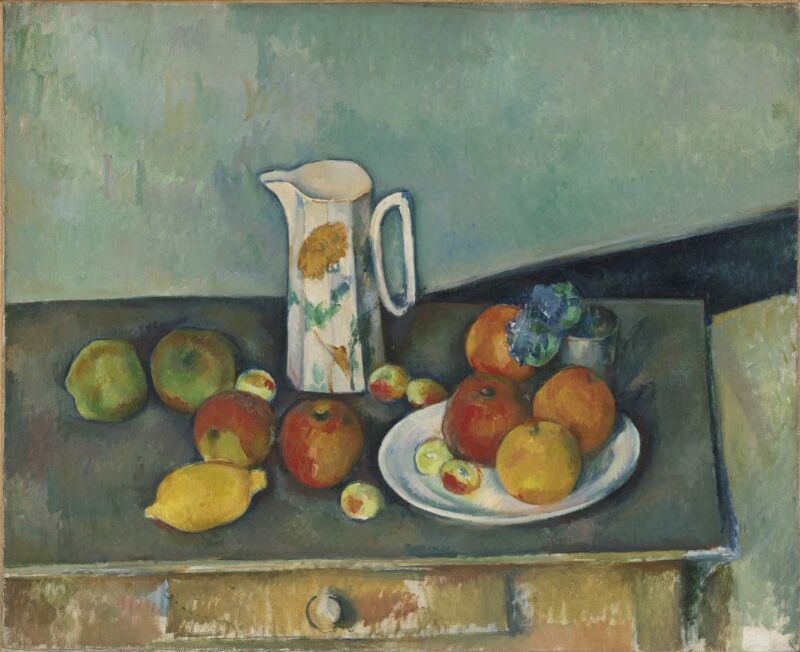 April SurfaceParis 1867–1918How many colours are there in one apple? Cézanne's apples against van der Ast's.
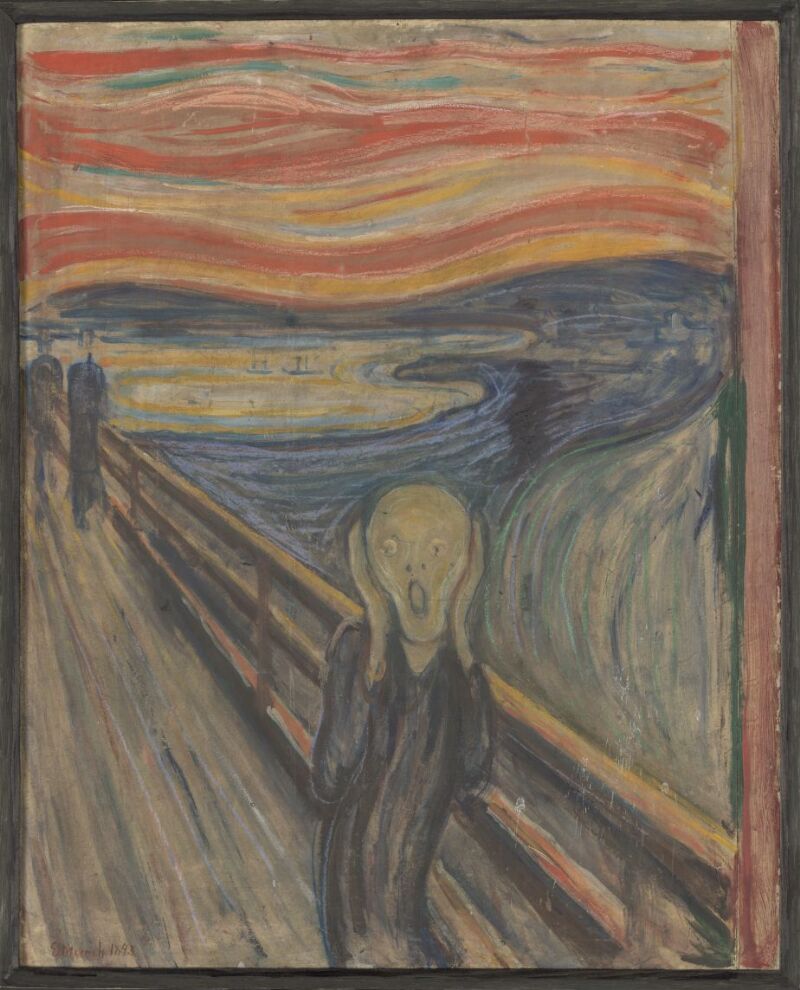 May ExpressionInto the modern roomsKrohg's sick girl against Munch's sick child. The first visit to the modern rooms with time to spare.
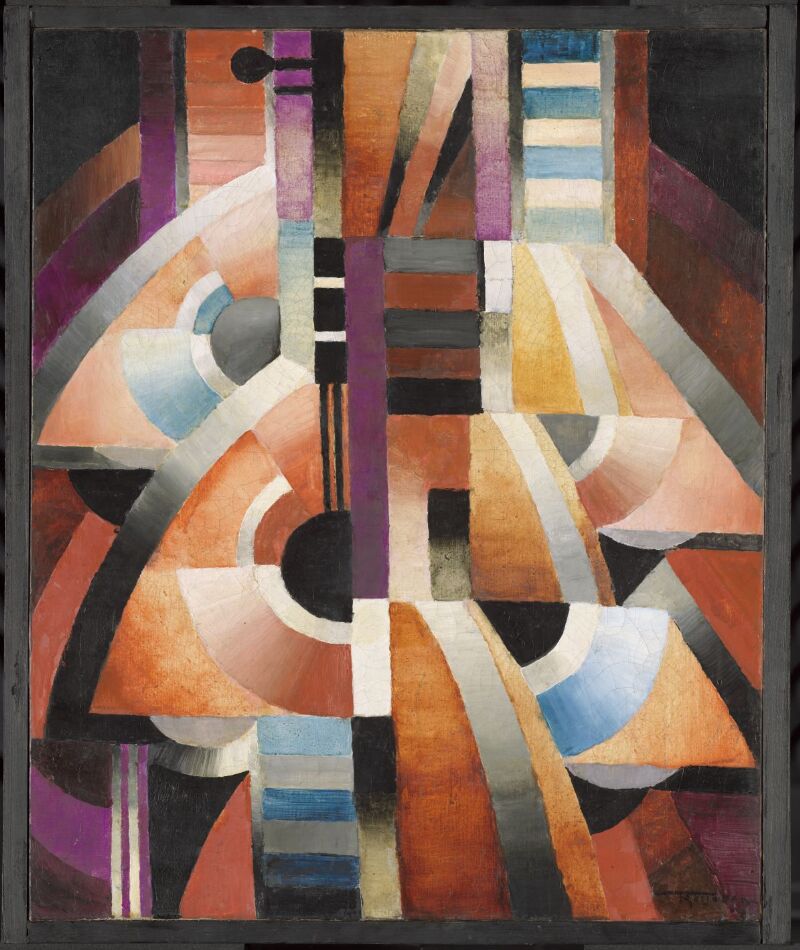 June FormCubism as a networkHellesen's Balalaika against Picasso's Guitar. The second ten things you see are about edges.
July–October
What does the picture do to me?
The hardest last: post-war art, “I could have painted that” and the old technique coming back. Then a verdict, with a date.
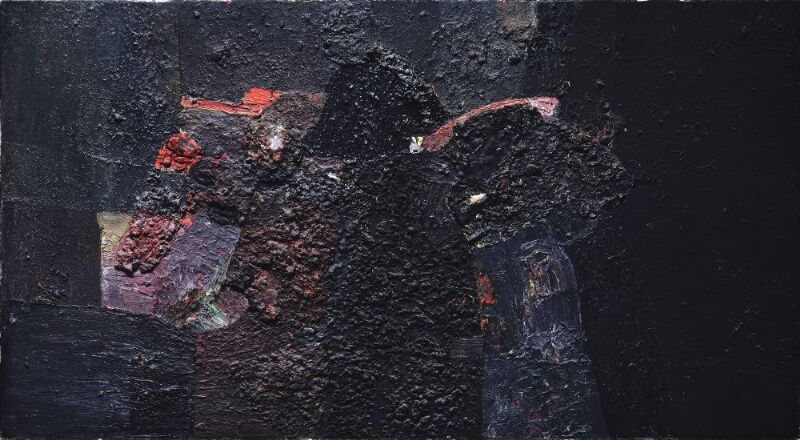 July The choice ©After the catastropheWhat does painting choose when it is free? Ekeland's Struggle against Weidemann's pine stump.
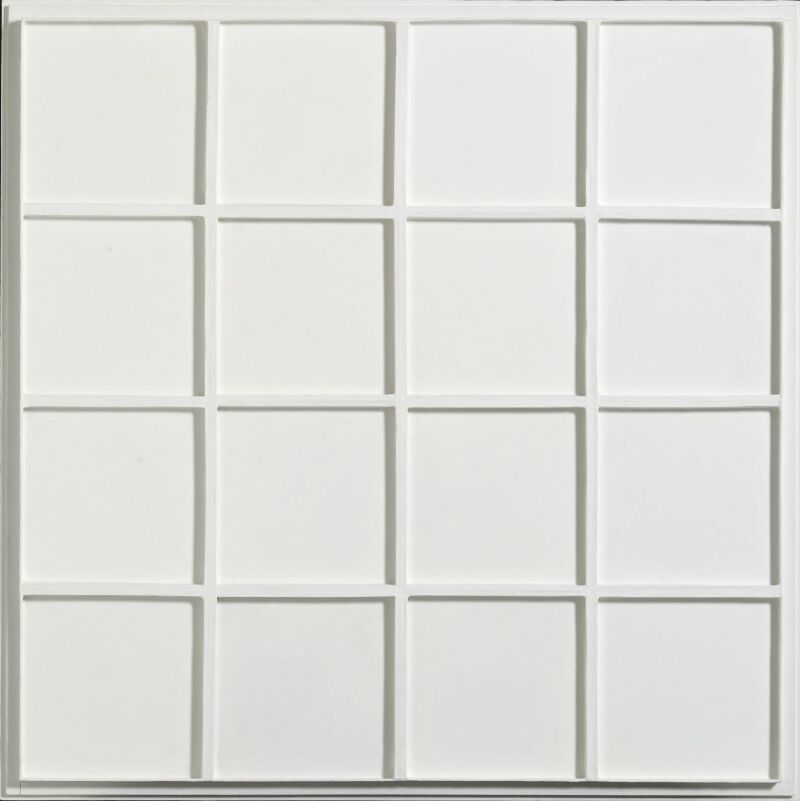 August The eye ©“I could have painted that”Optical art as a test. Describe how you would make it, then stand still in front of it for two minutes.
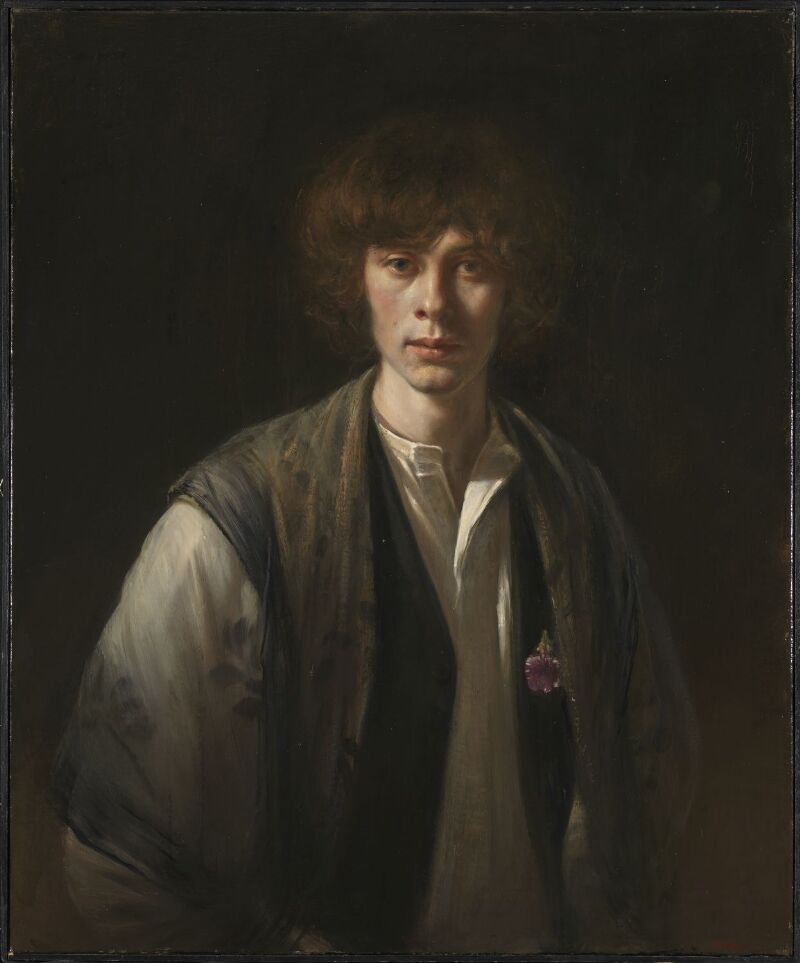 September The return ©Back to paintingNerdrum against Ribera, 350 years apart. Is the light doing something, or is it only a quotation?
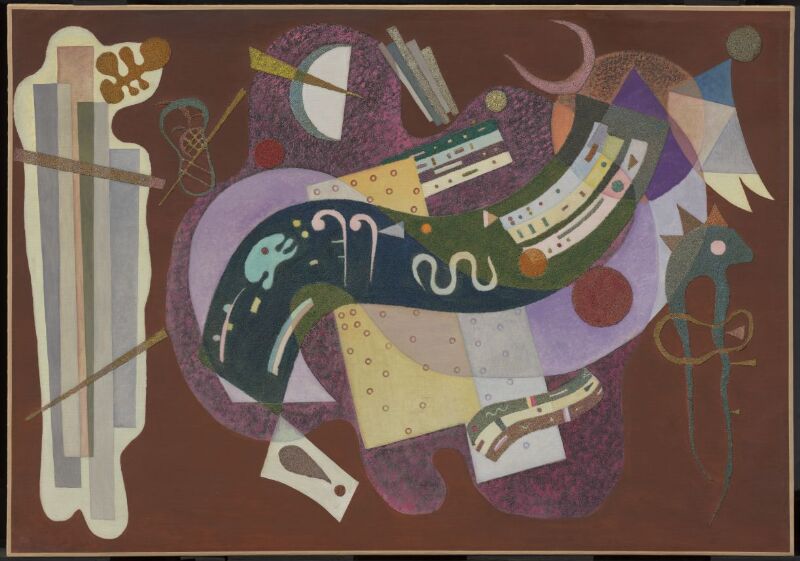 October 2027 The verdictThe year read backwardsA dated verdict on Munch, Picasso and Kandinsky, even if it is “still nothing”.
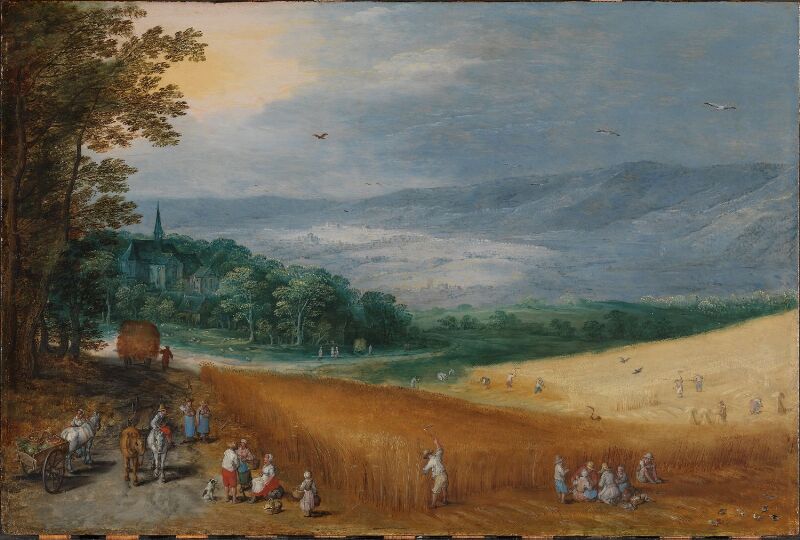 Alongside, with no dateFrom Florence to the DutchTen parts and 52 short videos at your own pace.