Rooms 053 ("Til Paris", To Paris), 054 ("En malerisk revolusjon", A revolution in painting) and 067 ("Ekspresjon", Expression) · Ninety minutes
Your coldness starts "almost after 1900". Room 054 is the decade or two before that, and it is where the decisions were taken that everything after 1900 builds on. The Norwegians were there: room 053 hangs Thaulow's, Heyerdahl's, Krohg's and the young Munch's Paris next to Monet and Gauguin, so the network question comes built in.
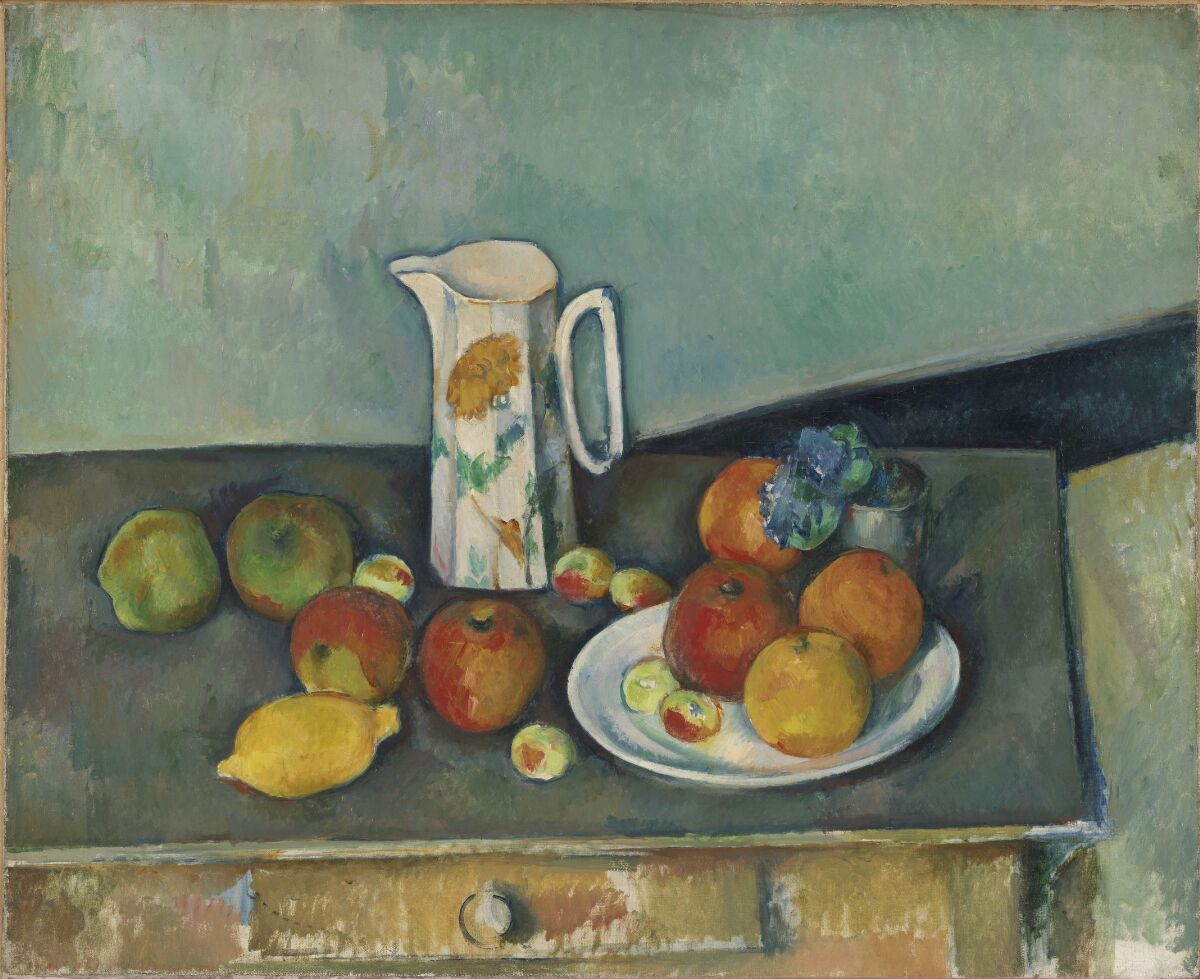
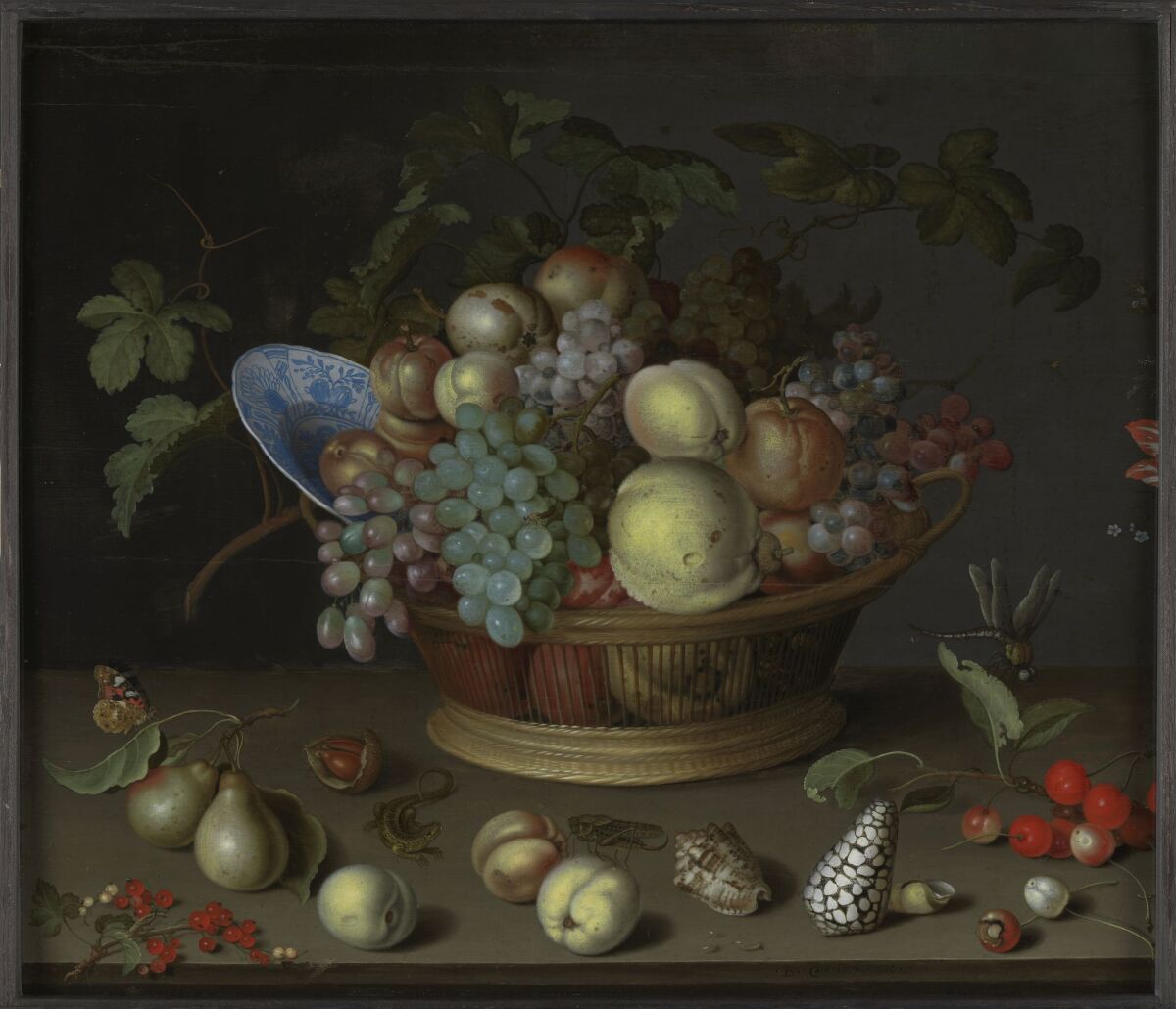
Paul Cézanne Still Life, c. 1890Balthasar van der Ast Stilleben med frukt og skjell, Ca. 1620–1632
Cézanne's Still Life against Balthasar van der Ast's Still Life with Fruit and Shells (room 034, Detail). Two tables of fruit, 260 years between them. Both painters spent the hours on the fruit. What did each of them think an apple was for?
The pictures
Édouard Manet View of the 1867 Exposition Universelle, 1867
Édouard ManetView of the 1867 Exposition Universelle, 1867
Excluded from the official art show, Manet built his own pavilion and painted the fair from the hill. A picture about being outside. Mme Manet in the Conservatory (1879) shows a winter garden that was the latest fashion, la vie moderne as a stage set.
Paul Cézanne Still Life, c. 1890
Paul CézanneStill Life, c. 1890
The fruit is built up "by using various hues", not drawn. Count the apples: how many colours are there in one? This is the direct ancestor of Picasso's Guitar (Form) and the most useful ten minutes of the year for the modern question. Cézanne's Seated Man (1898–1900) also hangs here.
Vincent van Gogh Self-Portrait, 1889
Vincent van GoghSelf-Portrait, 1889
Painted in the asylum year at Saint-Rémy. Ask the historical question first: Who was it painted for? Nobody, and that is new. The aesthetic question comes last.
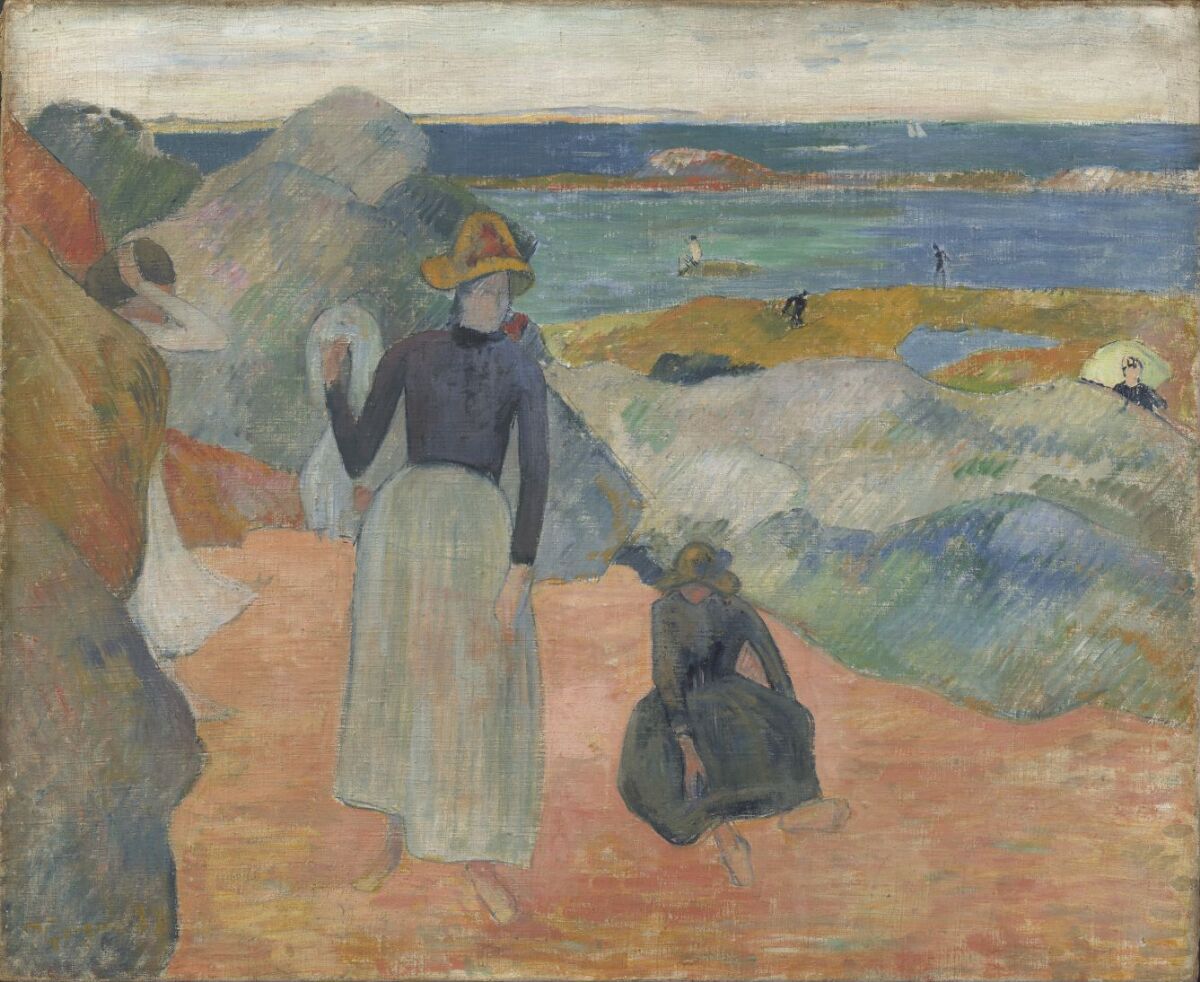
Paul Gauguin At the Beach, Bretagne, 1889
Paul GauguinAt the Beach, Bretagne, 1889
The museum's text says the motif itself "was merely a pretext": Gauguin "wanted above all to view the canvas as an abstract, decorative surface". Read that sentence and decide whether you can see the surface, or only the pretext. The same goes for Landscape from Brittany (1889).
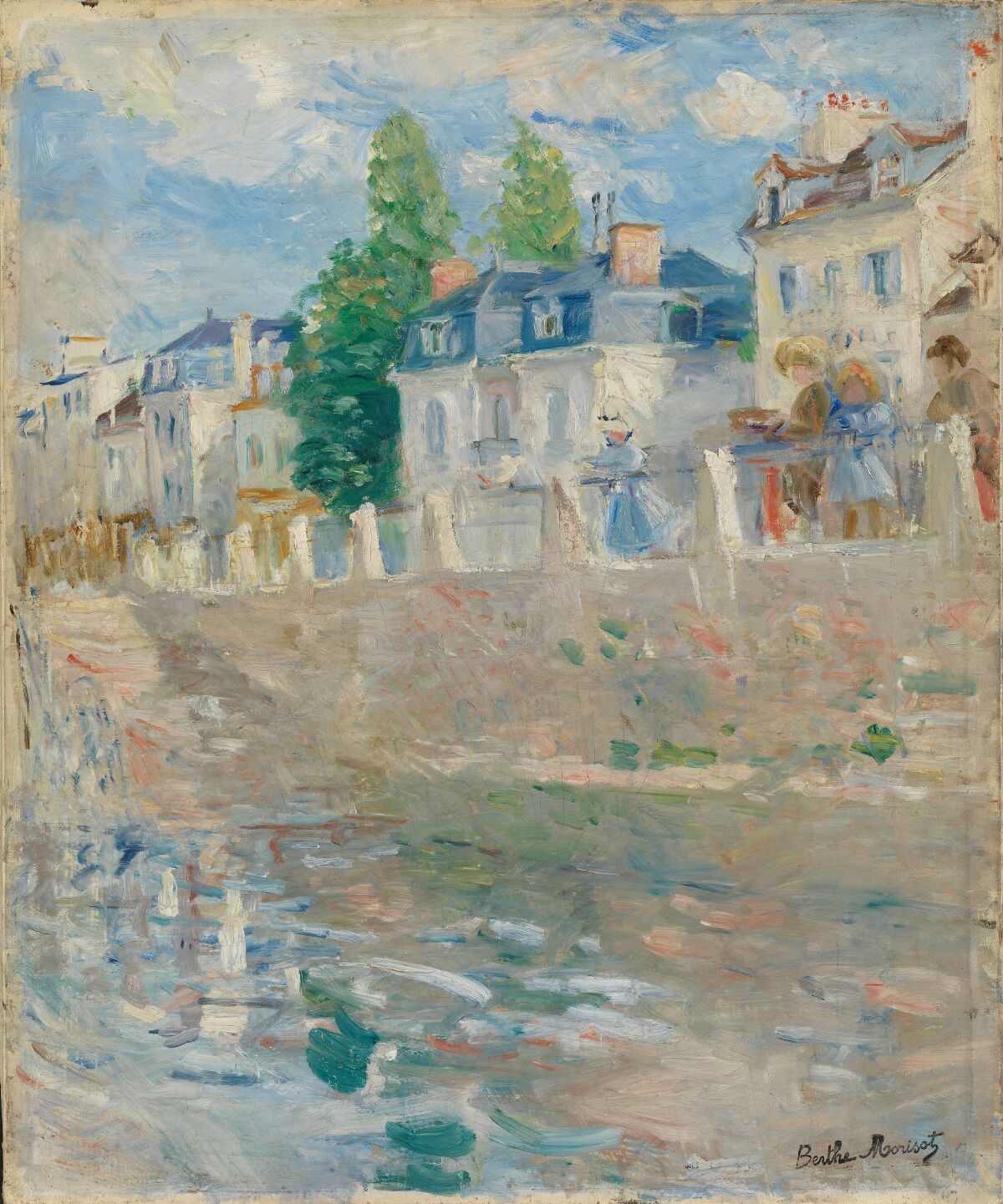
Berthe Morisot On the Banks of the Seine at Bougival, 1883
Berthe MorisotOn the Banks of the Seine at Bougival, 1883
Room 054. Painted from a boat out on the river one summer morning, according to the museum's text. Degas' Morning Toilet and the two bronzes belong to the same room.
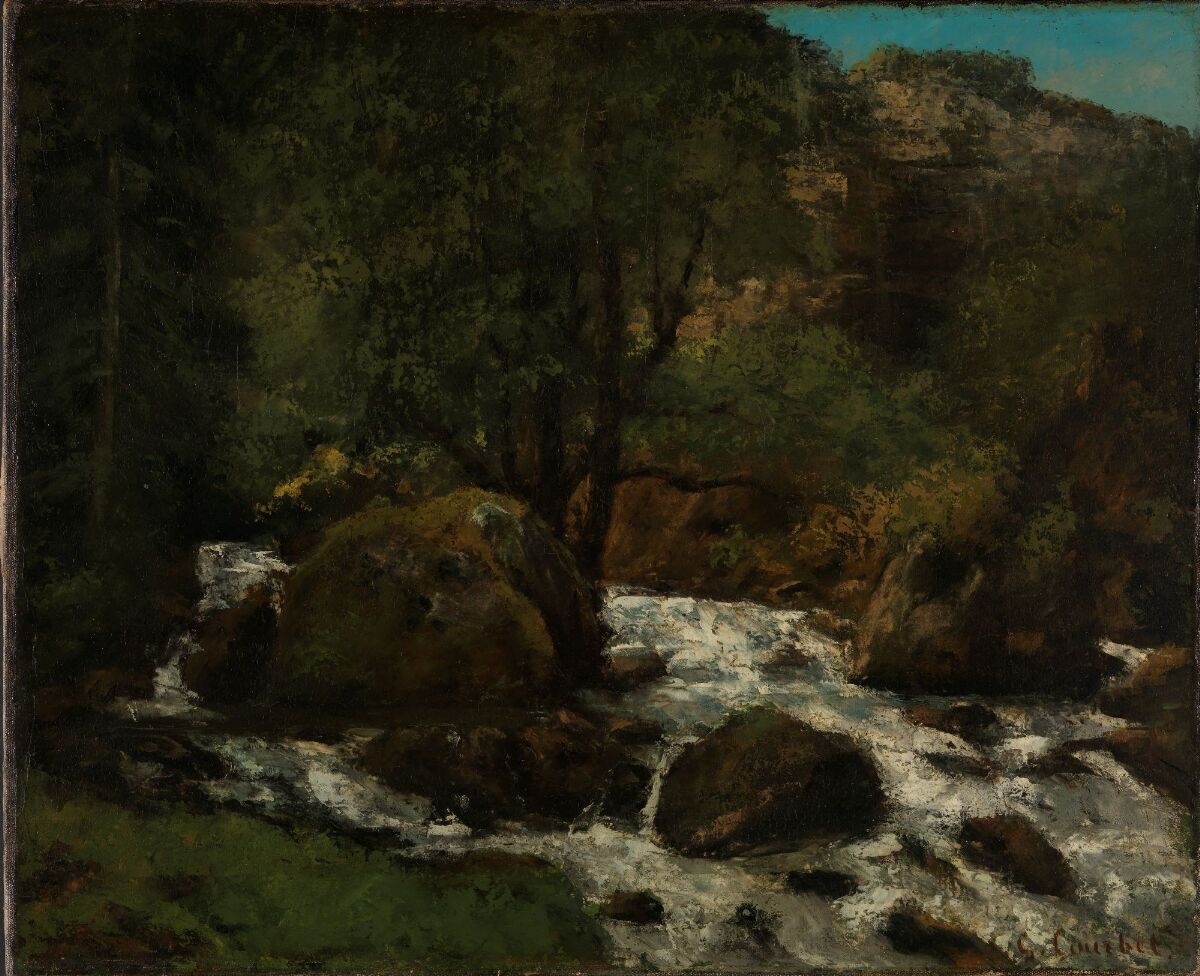
Gustave Courbet A Brook in the Forest, Jura, 1872
Gustave CourbetA Brook in the Forest, Jura, 1872
Courbet and Delacroix (Lion by its Den, 1847) are the "before": roughly Dahl's contemporaries, in France.
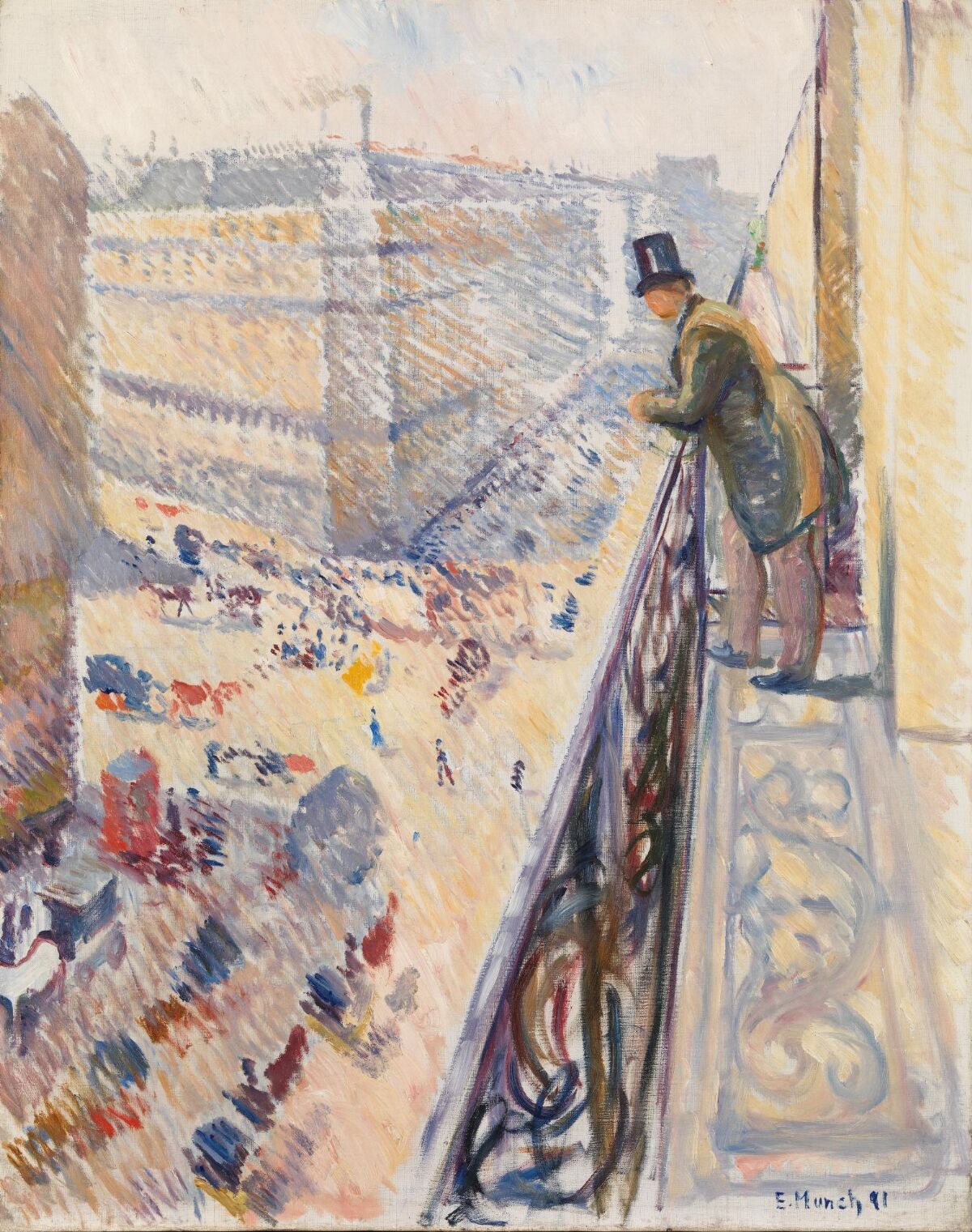
Edvard Munch Rue Lafayette, 1891
Edvard MunchRue Lafayette, 1891
Room 053. Here also hang Thaulow's From Paris (1879), Heyerdahl's At the Window (1881) and Krohg's The Swedish Painter Karl Nordström (1882), with Monet's Spring by the Seine (1878) and Gauguin's Interior from the Artist's Home (1881) hung among them.
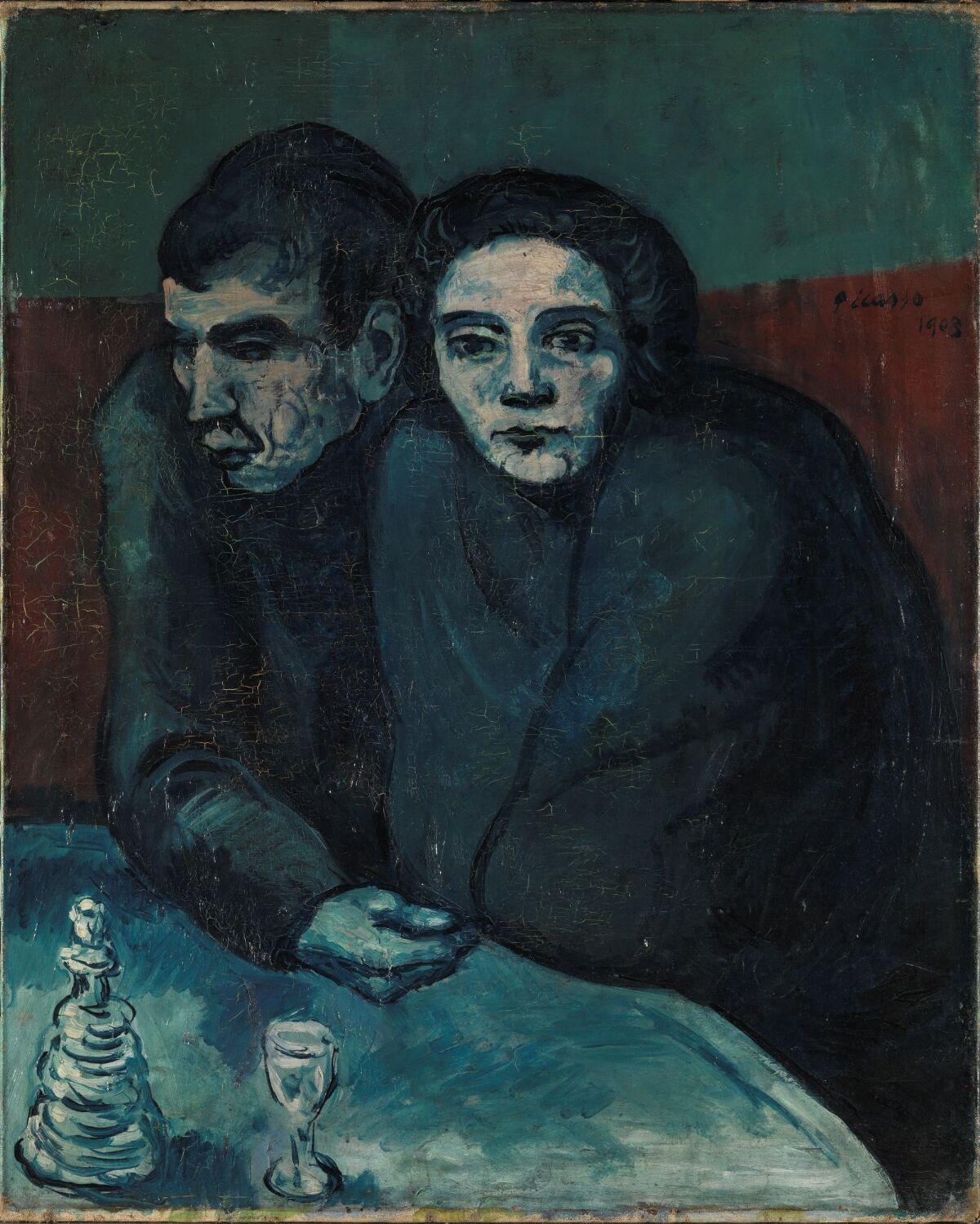
Room 067. Here also hang Modigliani's Young Woman (1918), Matisse's The Bronze Figure (1908), Kirchner's The Nurse (1917–18) and Beckmann's The Wolf-Fish (1929).
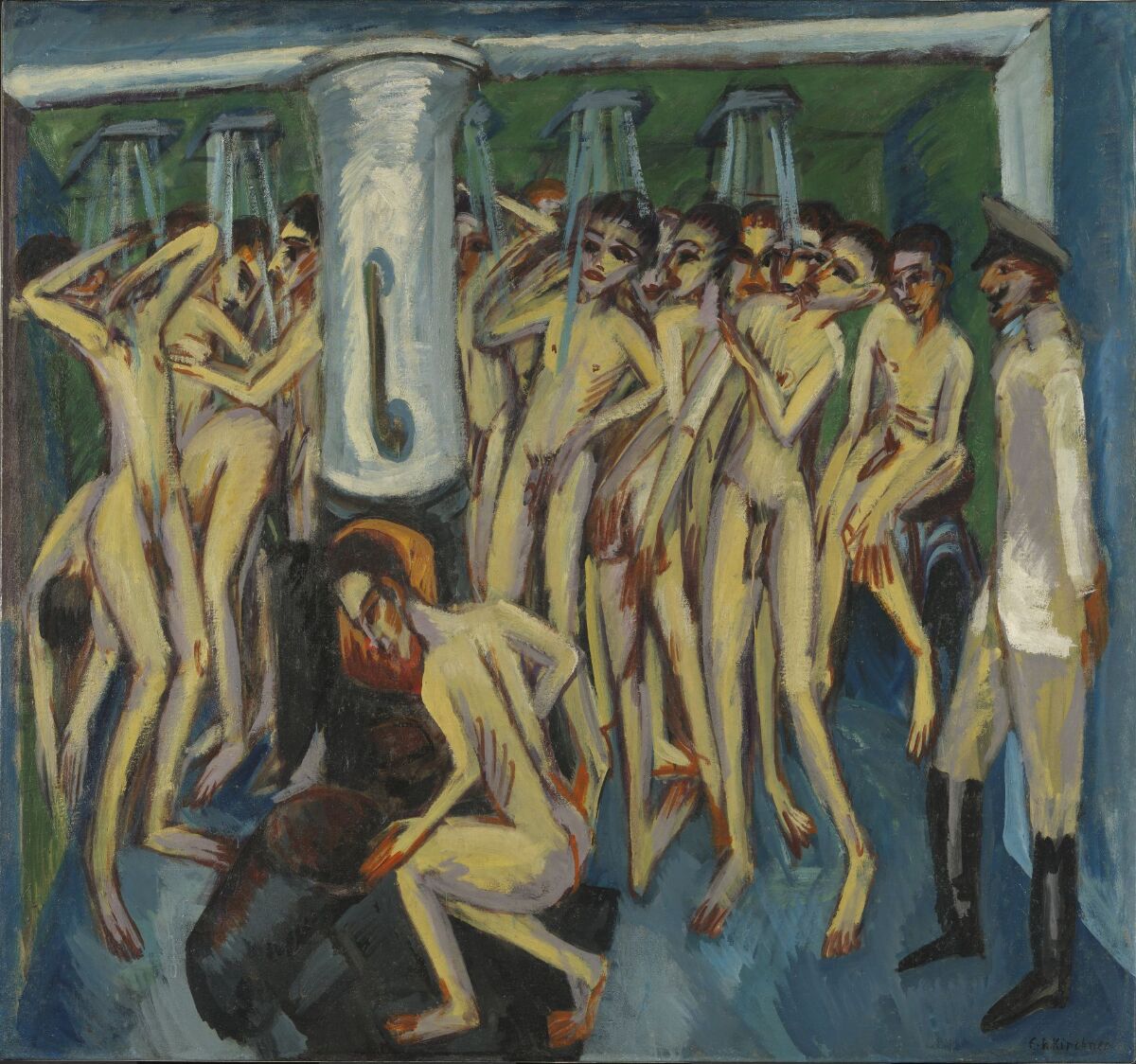
Ernst Ludwig Kirchner Artillerymen in the Shower, 1915
Ernst Ludwig KirchnerArtillerymen in the Shower, 1915
From 1915: the war as a room full of naked conscripts.
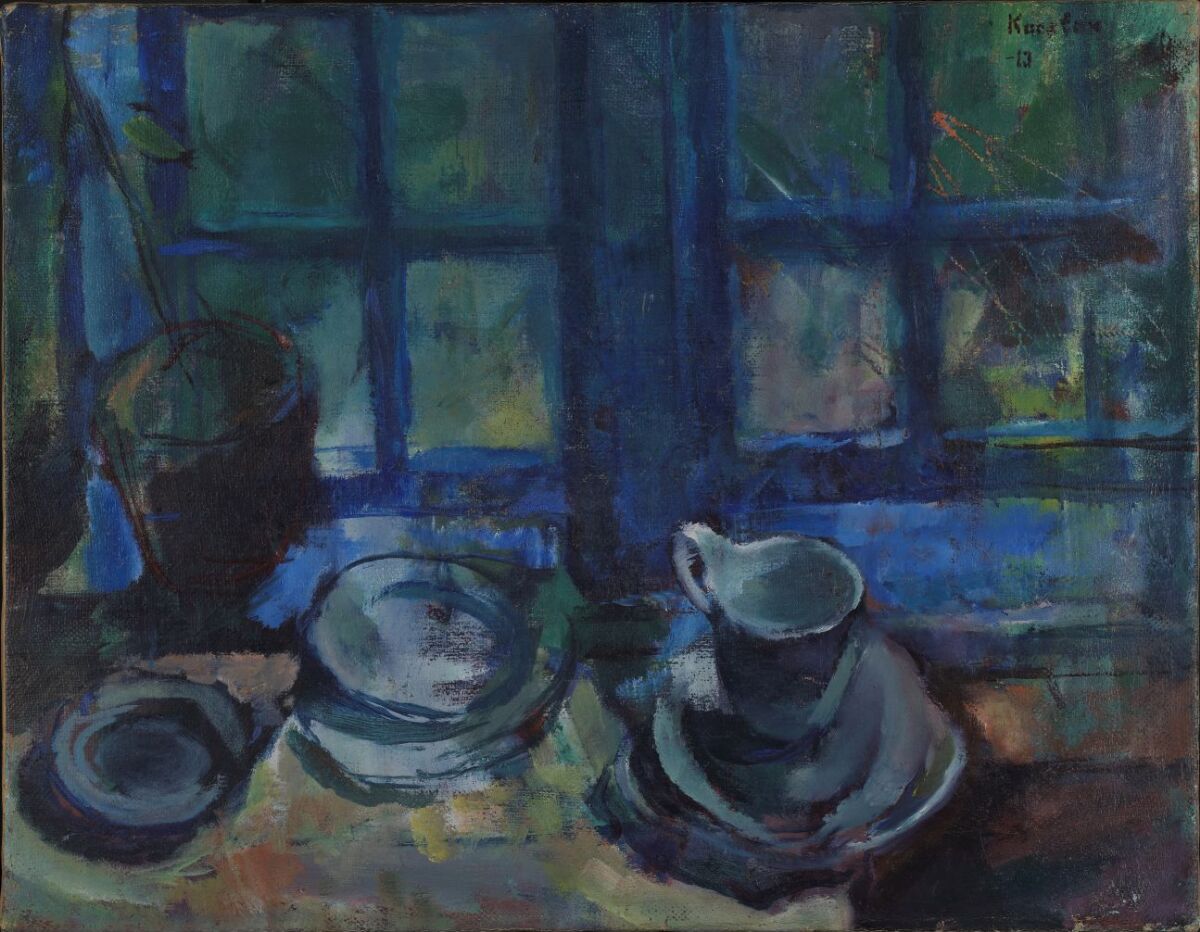
Ludvig Karsten The Blue Kitchen (Det blå kjøkken), 1913
Ludvig KarstenThe Blue Kitchen (Det blå kjøkken), 1913
Room 067 has five canvases by Karsten, among them Consumption (c. 1907). He is the Norwegian who went furthest with colour, and the painter in this group most likely to hold you.
Around the pictures
The visit fits best between The circle and Form. It is the missing step between Backer's Paris and Picasso's guitar. The rules for the modern rooms apply from room 054.
What did the Norwegians take home from room 053, and what did they leave on the wall?
Nearly all of room 054 came to Oslo early and deliberately. Jens Thiis, director from 1908, bought Manet, Cézanne, Gauguin and Van Gogh when buying them was a scandal, and was attacked in the press for it. Read the acquisition lines for the years. The chain of viewers here also includes the people who thought these pictures did not belong in a national gallery at all.
Before you go
The Städel course, the modules on 1850–1914 The period this visit walks through, in order.
Julian Barnes, Keeping an Eye Open (2015) The essays on Manet, Cézanne and Degas: a doubter looking carefully.
Konsthistoriepodden (in Swedish) or Augen zu (in German) Any episode on one of these painters, for the train.
Great Art Explained on Van Gogh (any) or Cézanne
Simon Schama, the Van Gogh episode of Power of Art
Hughes, The Shock of the New, chapter 1 ("The Mechanical Paradise") Starts exactly here: the Eiffel Tower, the world fair, the city as machine.
Afterwards
Describe the pictures from memory, without looking at them, and record a voice note.
Add Thiis to the network: who he bought, when, and who objected. He is the hinge between the Fleskum generation (The circle) and the Picasso purchase of 1921 (Form).