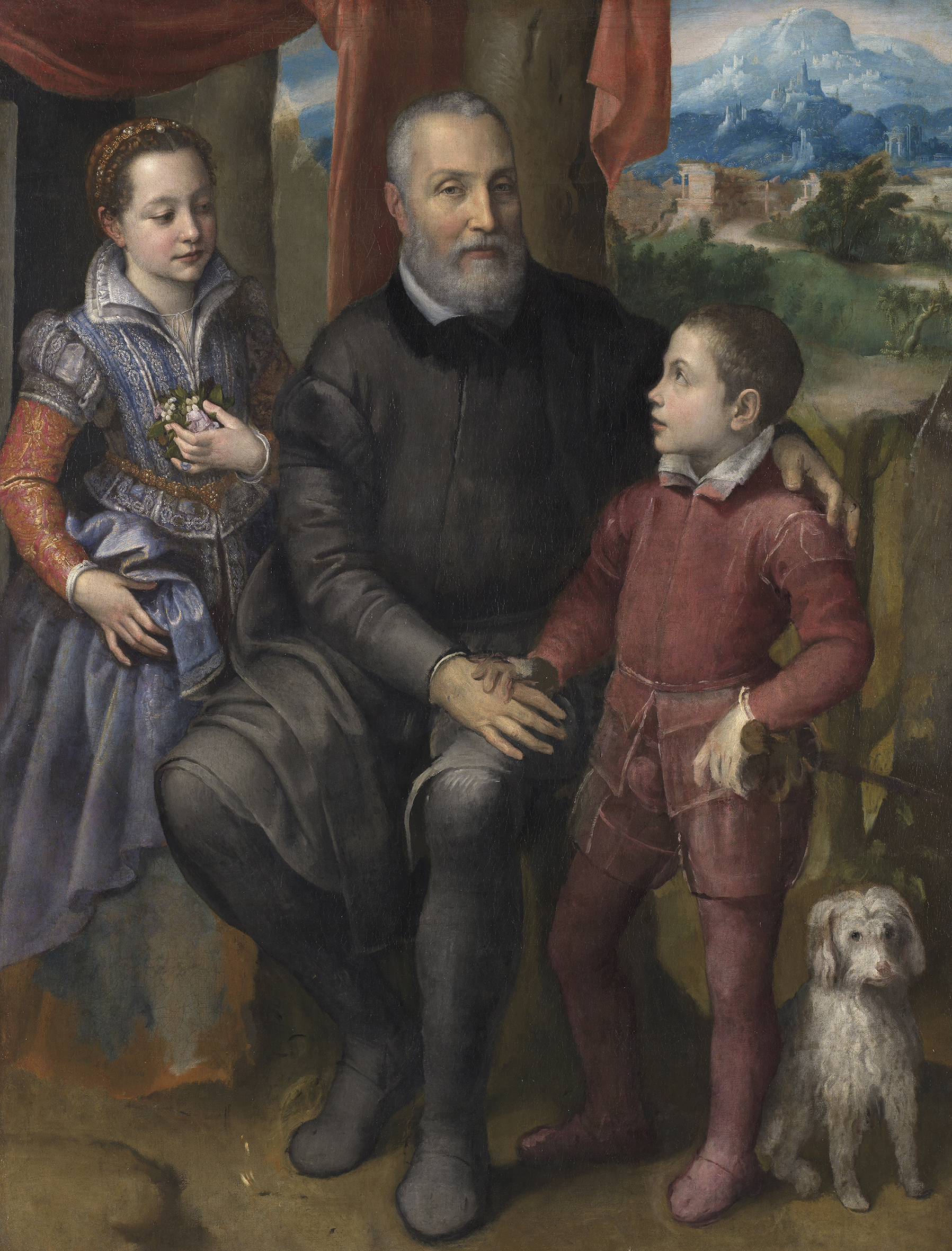
Sofonisba AnguissolaFamily Portrait with Amilcare, Minerva and Asdrubale, c. 1559
On loan from Nivaagaard. The father, the daughter and the dog. Look at the triangle between the figures and at the background.
Who painted, and for whom? · Before 7 February · Halfway
Maler(inne), the exhibition
For this programme it is the central exhibition of the year: the exact period, light and detail you respond to, but painted by women whose working lives are documented in contracts, letters and one famous trial, so the period-eye questions have answers. About fifty works from thirty collections, with Galleria Borghese: Artemisia Gentileschi (four loans plus the museum's own picture), Lavinia Fontana (seven), Sofonisba Anguissola, Judith Leyster, Michaelina Wautier, Clara Peeters and Orsola Maddalena Caccia. Go twice: once early and once in January, after room 037 (Light and faith).
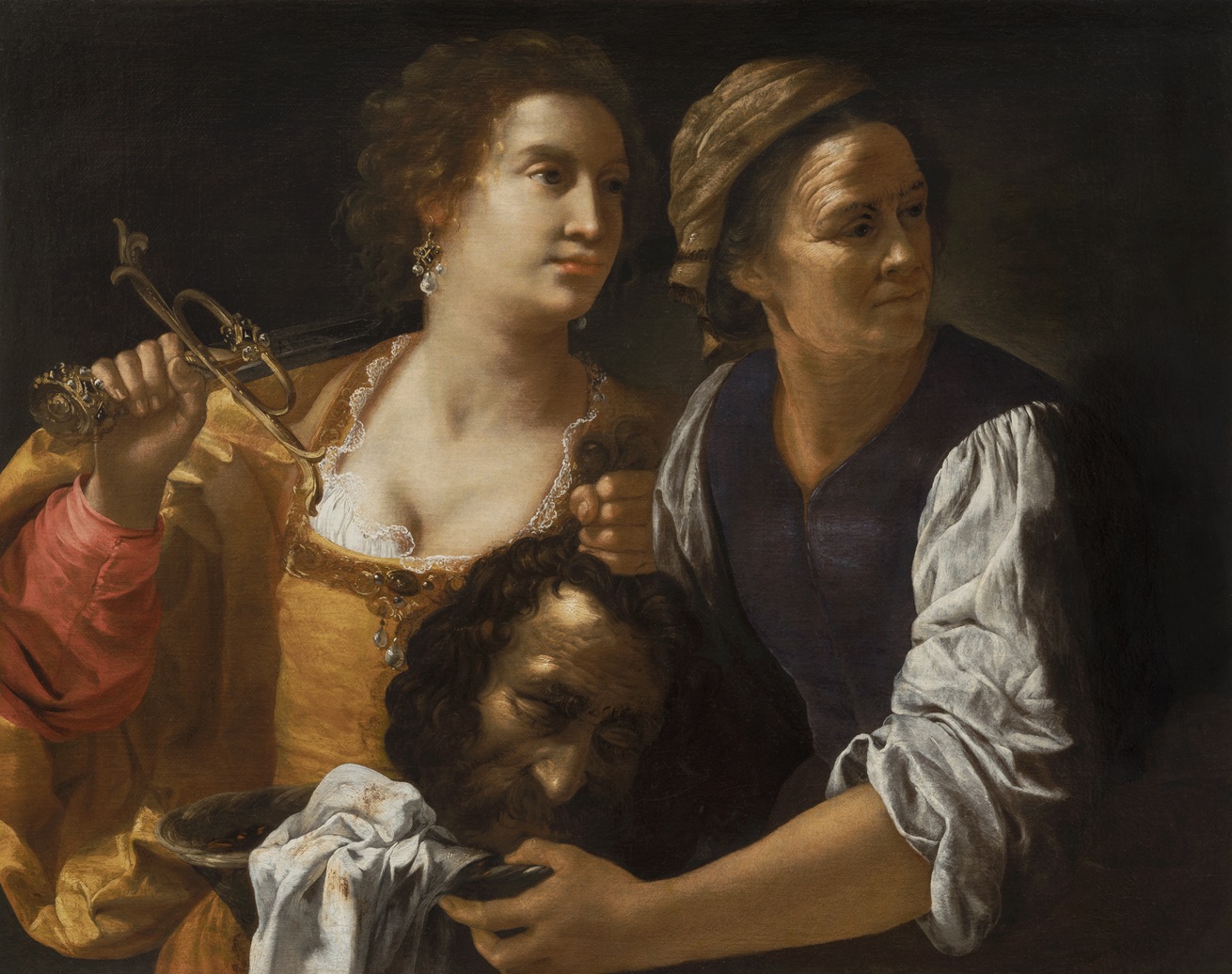
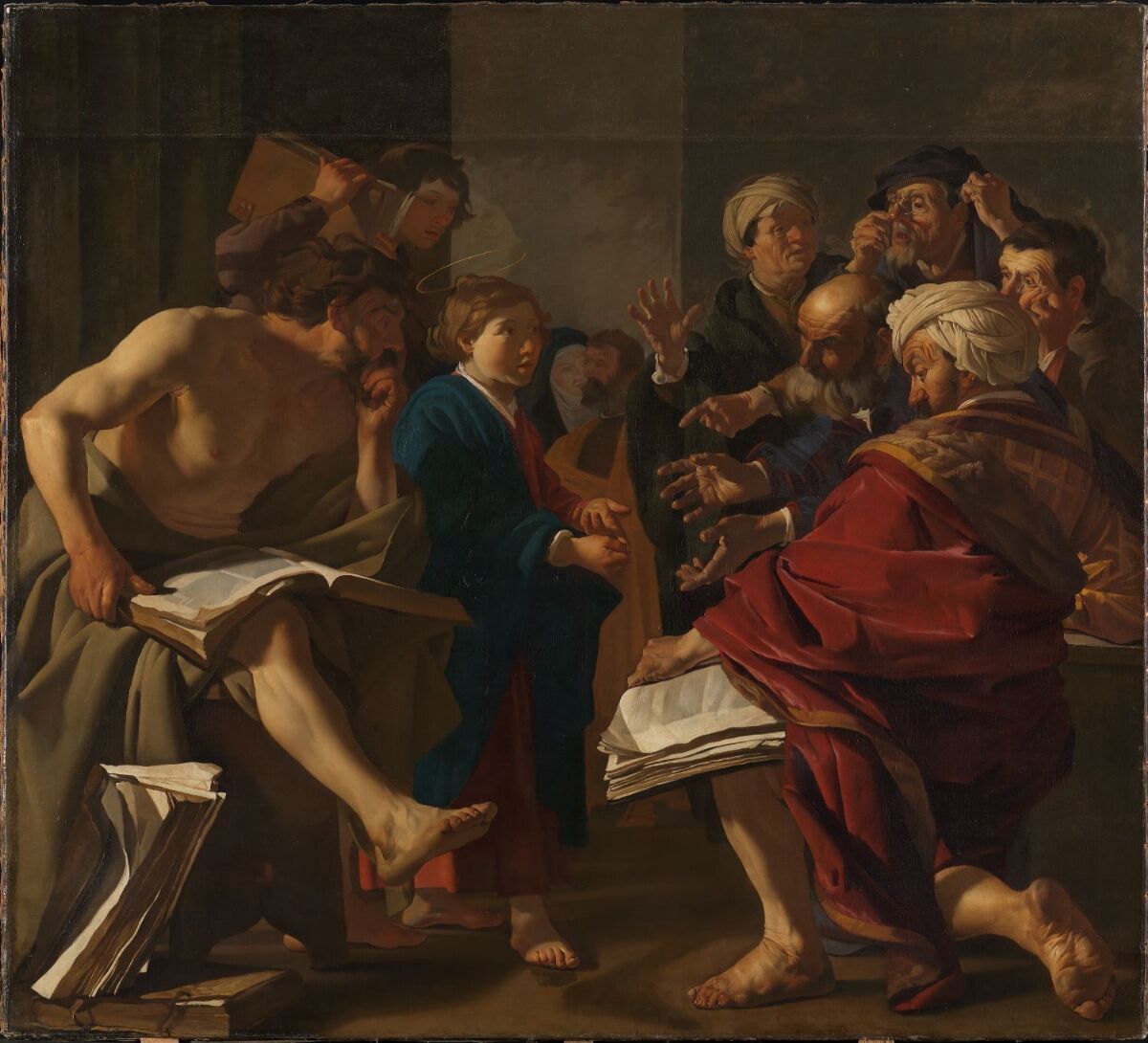
Gentileschi against Baburen in room 037, same decade, same light. Walk between them. Inside the exhibition, the built-in pair is the two Magdalenes.
On loan from Nivaagaard. The father, the daughter and the dog. Look at the triangle between the figures and at the background.
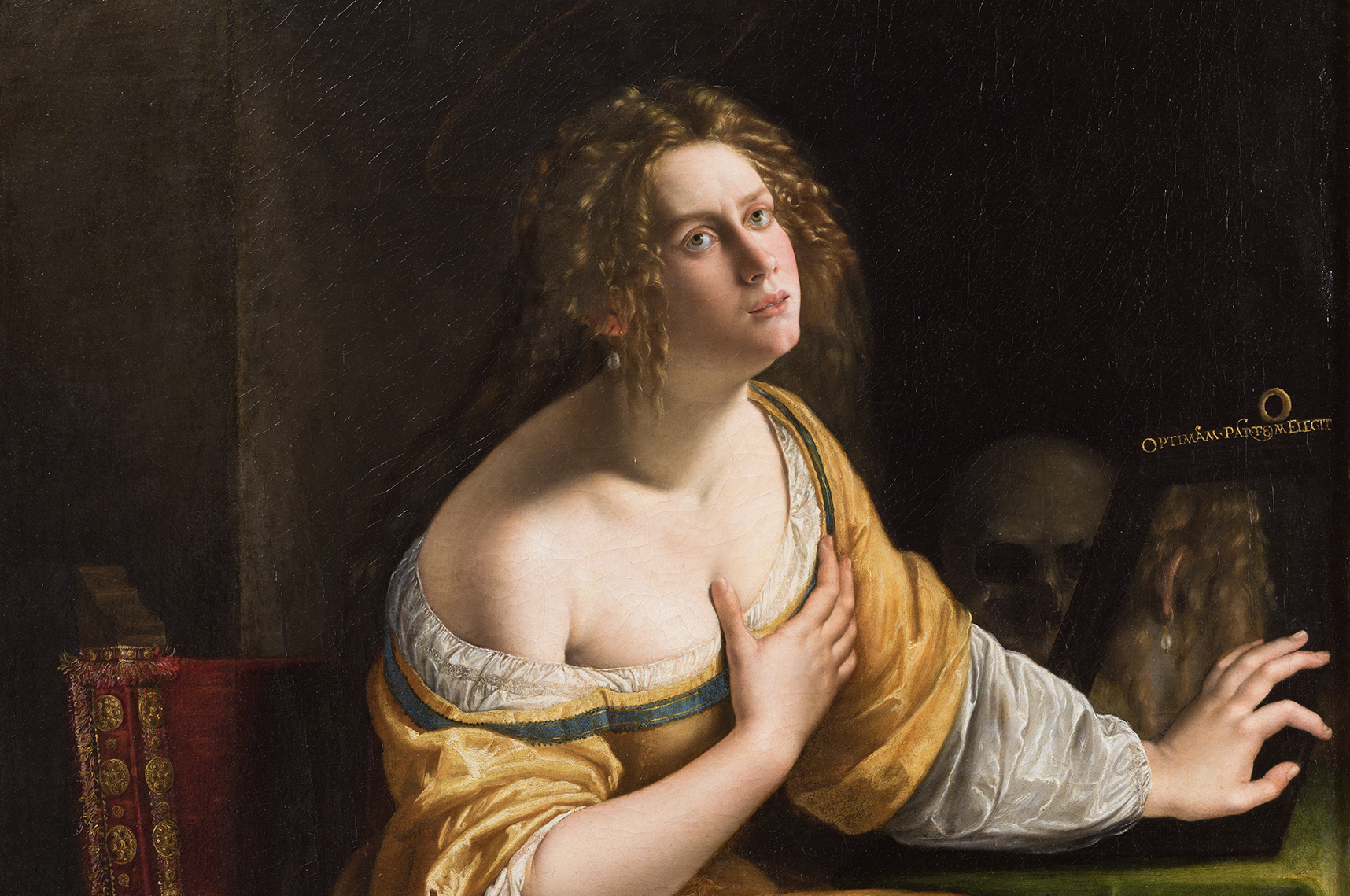
On loan from the Uffizi. You much preferred this picture. One half of the exhibition's built-in pair.
Probably the museum's own picture, the restored one. The other half of the built-in pair.
You first noticed the still lifes on the guided tour. Peeters' still life carries a new attribution in this exhibition.
Possibly the picture in which Mary stands with her parents, one of the three pictures that held you the first time.
Room 037. The same decade and the same light as Gentileschi; the other half of the pair below.
Making: Gentileschi learned Caravaggio's light in her father Orazio's studio in Rome around 1610. Find the beam. Then find the one thing she does with it that the men in room 037 (Light and faith) do not.
The period eye: Who could commission a picture from a woman painter in Bologna in 1580 (Fontana) or in Naples in 1630 (Gentileschi), and for what rooms? Why are so many of the pictures portraits and still lifes (Peeters), and what did the academies forbid women to study? What did Leyster's membership of the Haarlem guild (1633) actually permit?
The chain of viewers: Several of the pictures spent centuries attributed to men (Leyster's to Hals; Peeters' still life carries a new attribution here). What did the picture look like to those who believed a man had painted it, and does knowing change what you see? Be honest, and write both answers.
Questions for the guide, if there is a pause: Which of the pictures were made for a church, and which for a private room? Who commissioned these women? Where did each of them learn: in her father's workshop, in a guild or at a court? On the way out: Stand in front of a Gentileschi and remember the Baburen from an hour earlier. What does she do that he does not? The two Magdalenes can be seen as pictures of penance, with El Greco's Peter in mind.
The audio guide has twelve stops and adds Varotari, Quistelli and Galizia. The exhibition page has the titles.
Read about the trial before the second visit, and note whether it changed the pictures.
Describe the pictures from memory, without looking at them, and record a voice note.