
1
Asta Nørregaard, last look (closes 18 October 2026)
floor 1, galleries 1 and 2 · Ninety minutes
You have seen this twice and read the book. The last look is different: it is the only chance to test the book against the walls, and to record what you now know you will not be able to check again.
The visit plan
1Before
the week before · 20 min the day before
- The book you own, two chapters: the Paris years and the religious commissions. List in the log the names of her teachers, flatmates and sitters before you go.
2At the museum
Ninety minutes
- Four to six pictures, each with the three clocks
- Photograph the label, nothing else
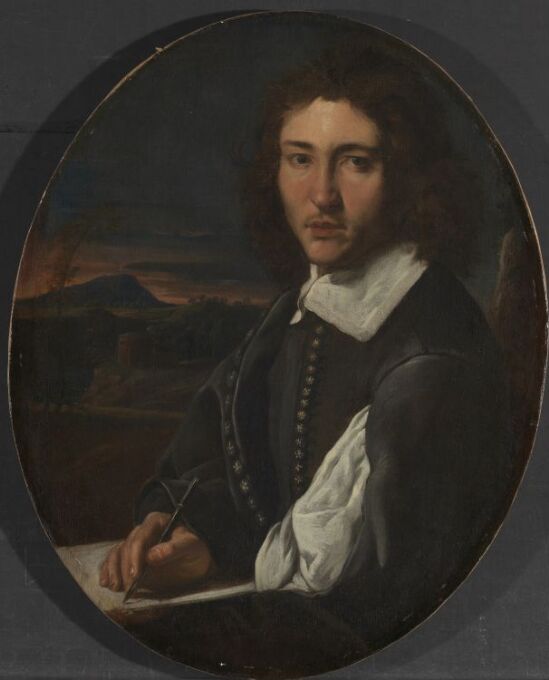
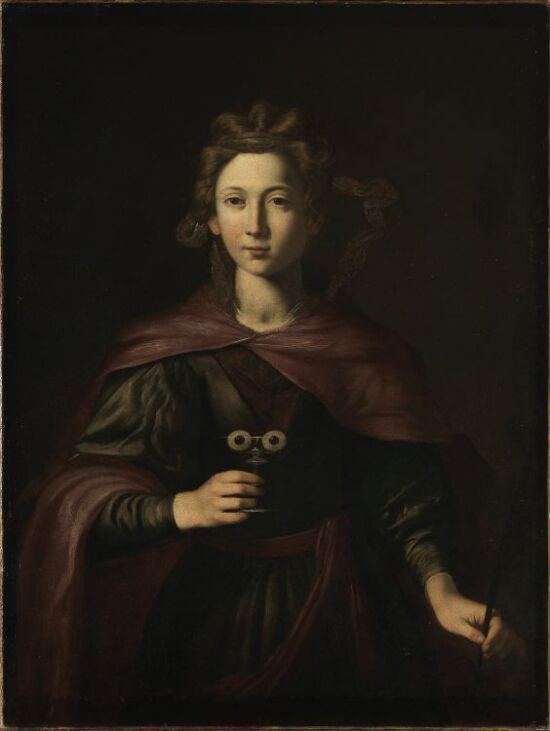
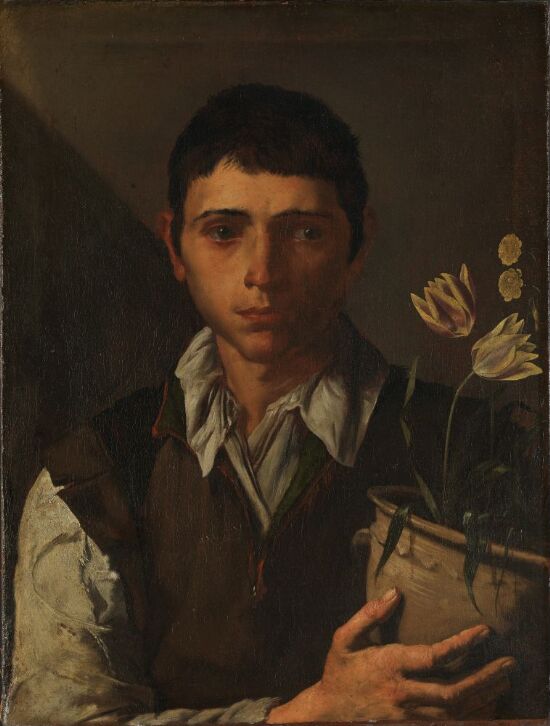
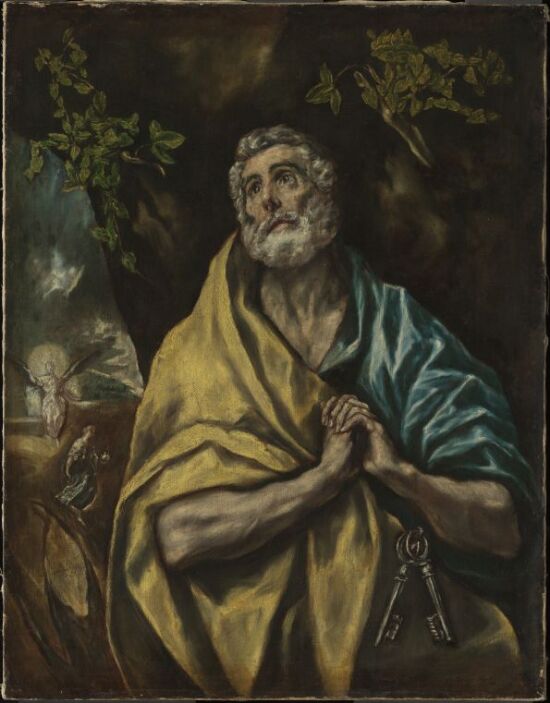
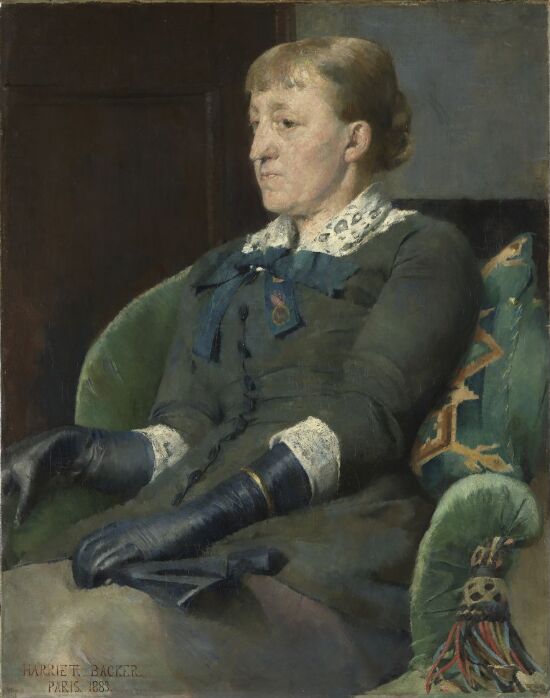
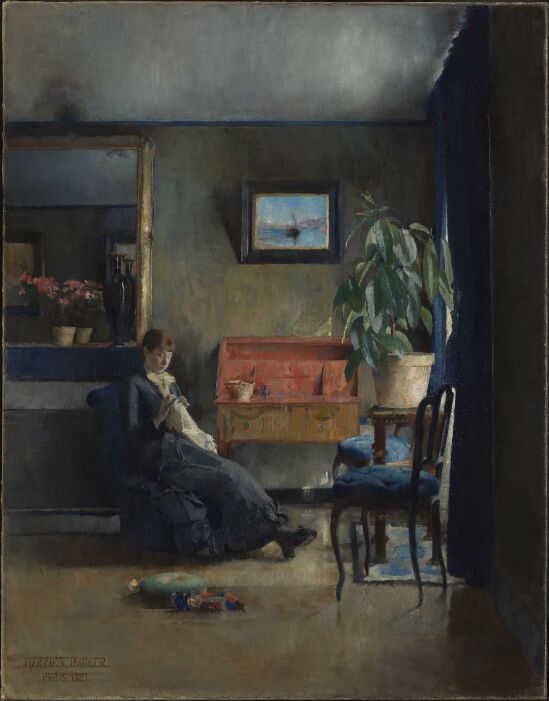
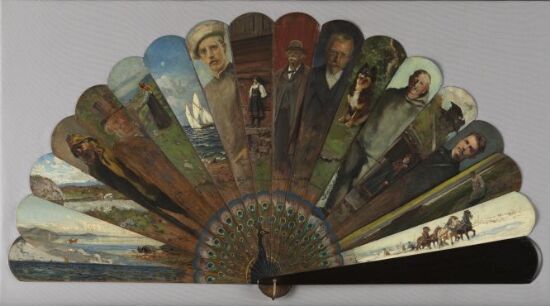
- 1. Three portraits, the full time each, chosen before you go in: the Elisabeth Fearnley you named, one you have not spent time on, and the Jesus picture. For each, the period-eye questions only: who commissioned it, where did it hang, what did the sitter want it to say, what did Nørregaard's Paris training (Bonnat's atelier, the 1880s) give her that a Christiania-trained painter would not have had? Write the answers from the book in the log before the visit; check them against the paint. 2. The traditionalist's choice. Find the latest-dated picture in the show and the earliest. What did she refuse to change over forty years, and what changed anyway? That is the exhibition's thesis ("truth and beauty"); decide whether you believe it. 3. *Upstairs, room 051: Blått interiør NG.M.02582. Nørregaard as sitter, Backer as painter, Paris 1883. Ten minutes. Then down again, if time, to one Nørregaard portrait of the same decade. Two friends, one flat, two theories of what a picture is. 4. Room 052: the fan. Kunstnerviften* (1898) NG.M.04483, eighteen signatures, hers among Krohg's, Munthe's, Peterssen's. Note which of the eighteen have portraits in the room and which do not. The network begins here.
3After
on the train home, from memory
Then, within a week
- Start with Nørregaard at the centre. The membership also covers one guest; if Jens comes to this one, give him one portrait to present to you.