After the catastrophe: 1930s, war, and what painting did next
073 ("Menneske og samfunn"), 074 ("Hva skal jeg kjempe med?"), 075 ("Etter den store katastrofen"), 076 ("På barrikadene") · Two hours
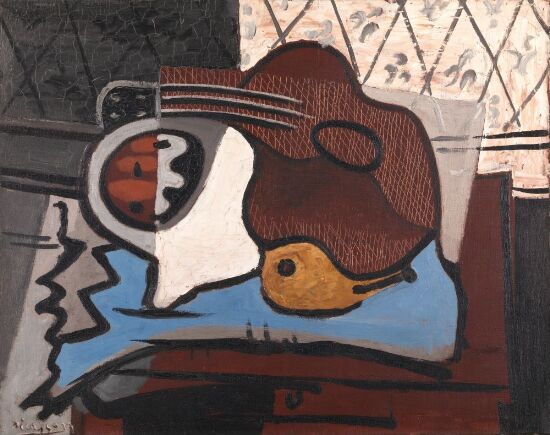
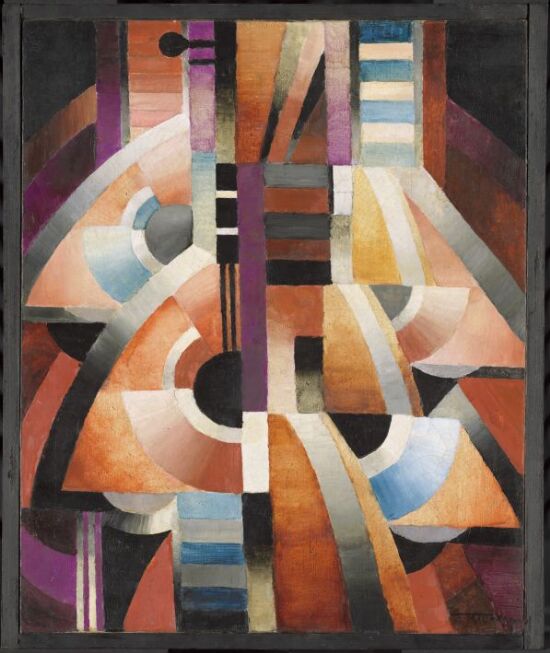
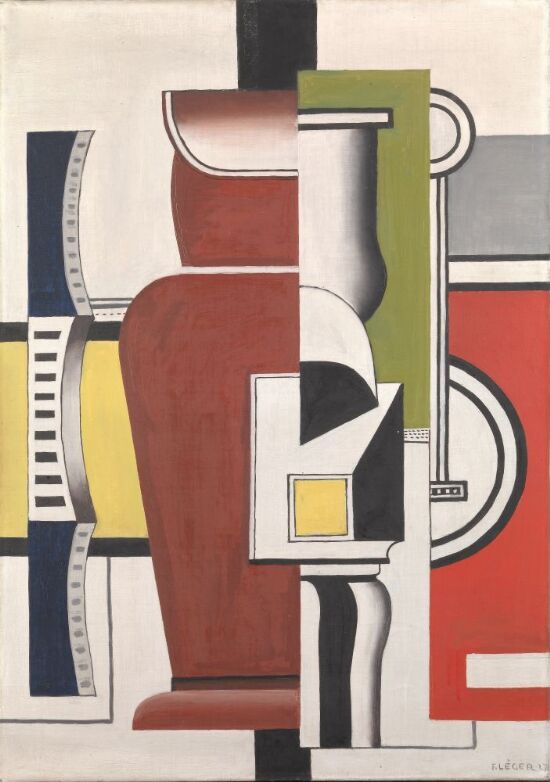
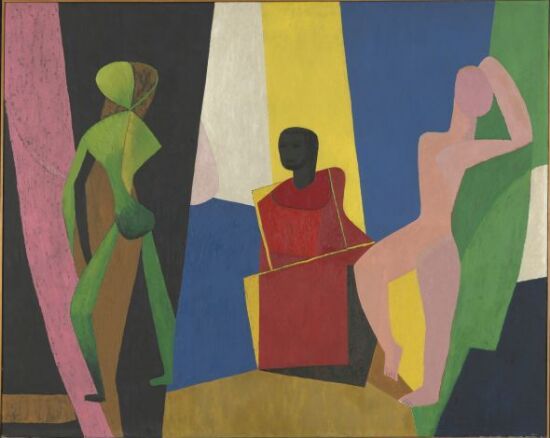
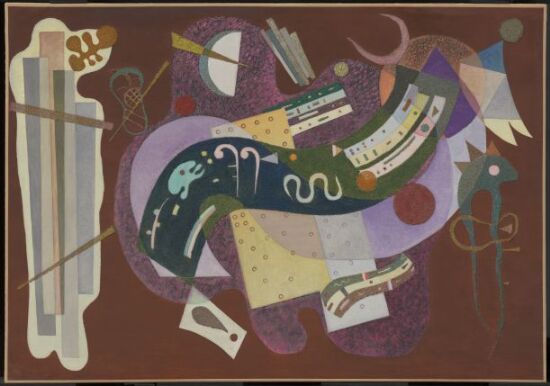
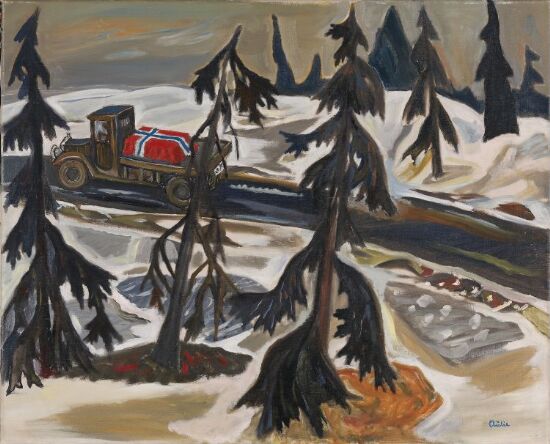
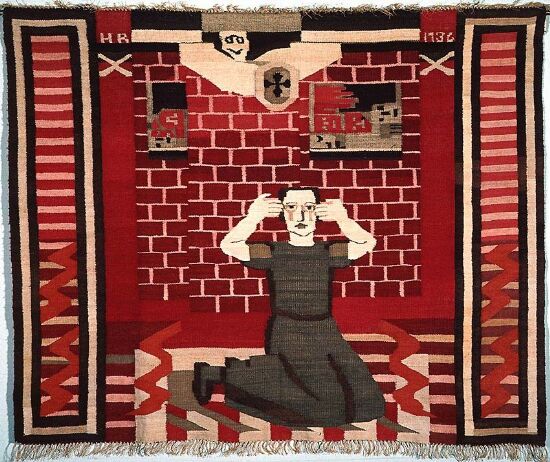
In Tallinn you saw the 1920s experiments, the 1945 break into socialist realism, and the slow subversion. Norway had no occupying ideology after 1945, so the question these rooms ask is different and in some ways harder: when painting is free after a catastrophe, what does it choose? The hang gives two answers at once: the figurative, political line (Aulie, Ekeland, Ryggen, the 1970s posters) and the abstract line (Weidemann, Sitter, Bergman, Haukeland) that won the institutions.
The visit plan
1Before
the week before · 20 min the day before
- Hughes, The Shock of the New, the chapter on art and politics ("The Powers That Be"), and his chapter on abstraction after 1945 for the Burri/Jorn line.
- Nasjonalmuseet's texts on Ekeland and Ryggen; Ryggen has had major recent exhibitions with good catalogues.
- From the Estonia trip: your notes on Kumu's 1945–60 rooms, reread the night before.
2At the museum
Two hours
Ekeland's Kampen (1943) against Weidemann's Furustubbe (1960). Seventeen years, one war, the same country. One painter still believes a picture can be a battle; the other paints a stump. Then ask what the Estonians were painting in 1960 and what they were allowed to.
- Four to six pictures, each with the three clocks
- Photograph the label, nothing else
- Read the acquisition years on the labels in 075: how fast did the gallery buy the abstract painters, compared with the half-century it took for Keyser and Kaarbø (visit 7)? The institution's own taste is the hidden picture in every room.
3After
on the train home, from memory
Then, within a week- Write the comparison you have been carrying since August: Tallinn 1920–1960 and Oslo 1920–1960, five paragraphs,. It is the first piece of art-historical writing of the year and should be about pictures you have actually stood in front of in both cities.
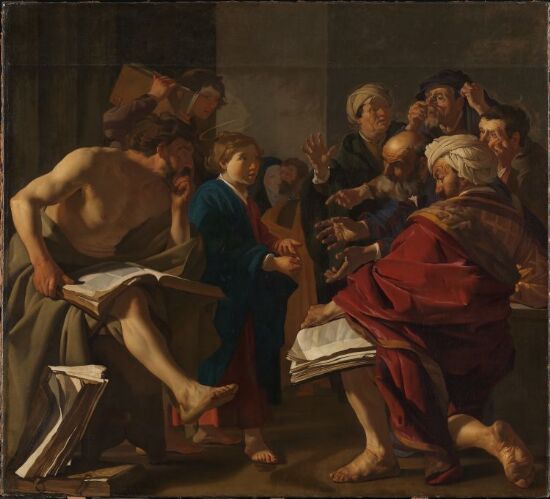 Dirck van Baburen Kristus som barn i tempelet
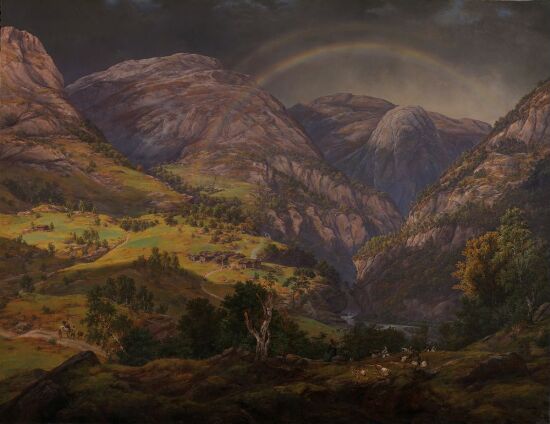 Johan Christian Dahl Fra Stalheim
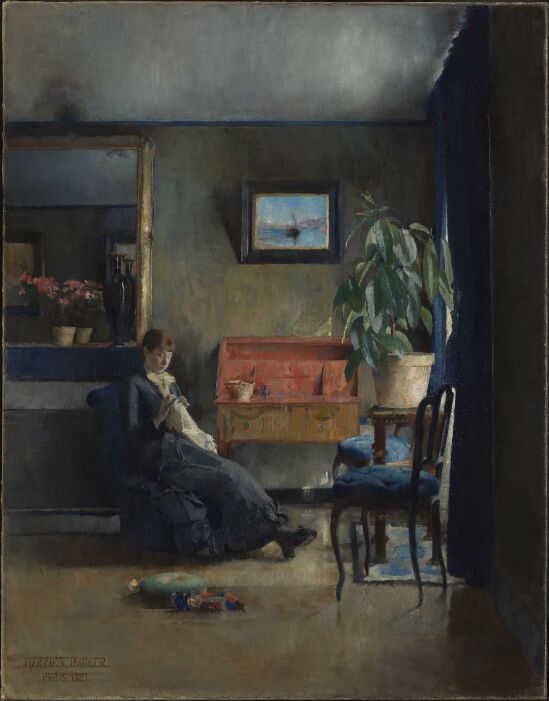 Harriet Backer Blått interiør
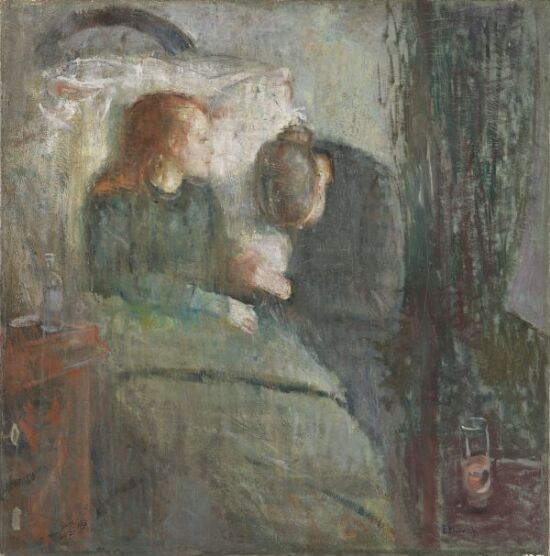 Edvard Munch Det syke barn
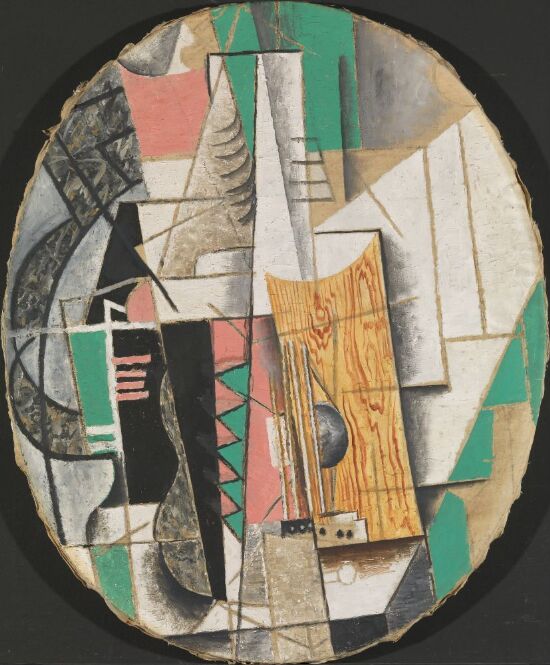 ©Pablo Picasso Gitaren